
Char Dham Yatra : Complete Guide to Yamunotri, Gangotri, Kedarnath & Badrinath
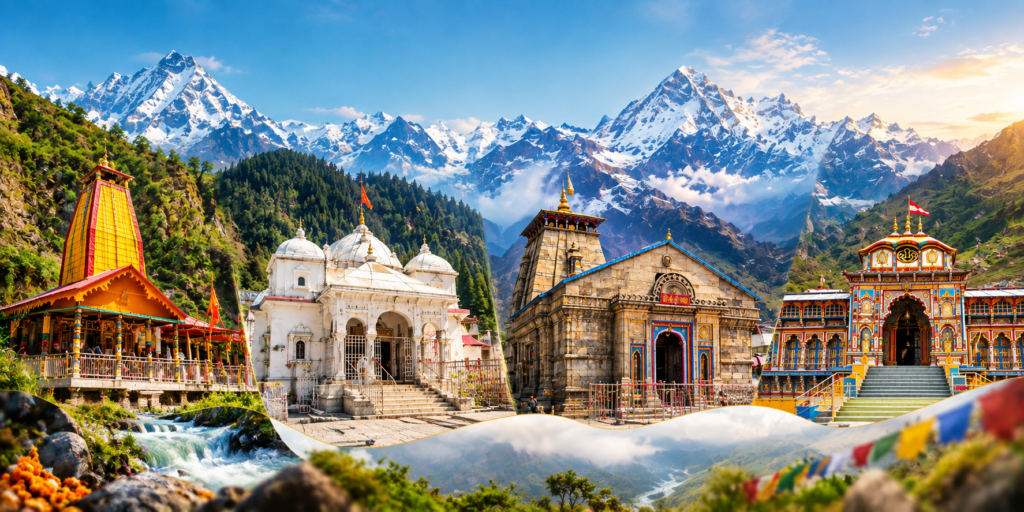
The Char Dham Yatra is one of the most sacred pilgrimage journeys in India. Set among the dramatic mountains, valleys and rivers of Uttarakhand, this spiritual journey takes travelers to four revered temples — Yamunotri, Gangotri, Kedarnath and Badrinath. But the Char Dham Yatra is much more than visiting four temples. It is a journey through some of the most spectacular landscapes in the Himalayas, where ancient traditions, peaceful mountain villages and breathtaking scenery come together. Whether you are planning your first pilgrimage, traveling with family or simply interested in experiencing the spiritual side of India, this guide will help you understand the Char Dham Yatra route, best time to visit, important places, travel options and practical tips. What Is Char Dham Yatra? Char Dham Yatra refers to the pilgrimage to four important Hindu temples located in Uttarakhand, in the Indian Himalayas. The four destinations are: The traditional route generally follows the sequence: Yamunotri → Gangotri → Kedarnath → Badrinath The journey combines road travel, mountain routes and trekking, particularly for Yamunotri and Kedarnath. The Four Dhams of Uttarakhand 1. Yamunotri Yamunotri is the first destination on the traditional Char Dham route. Located in the Garhwal Himalayas, the temple is dedicated to Goddess Yamuna. The journey to Yamunotri includes a mountain trek from the roadhead. Along the way, travelers encounter beautiful Himalayan scenery, streams and forest-covered slopes. The temple’s surrounding natural environment makes the journey itself an important part of the experience. Highlights of Yamunotri: 2. Gangotri Gangotri is associated with the origin of the sacred River Ganga and is one of the most important pilgrimage destinations in northern India. The Gangotri Temple stands beside the Bhagirathi River and is surrounded by impressive Himalayan peaks. Many travelers also visit nearby places such as Gaumukh, traditionally regarded as the source of the Bhagirathi River. Highlights of Gangotri: 3. Kedarnath Kedarnath is perhaps the most demanding part of the Char Dham journey because reaching the temple involves a mountain trek. The ancient Kedarnath Temple is dedicated to Lord Shiva and is situated at a high altitude amid the Himalayan mountains. The dramatic landscape surrounding the temple creates an unforgettable atmosphere, especially during the early morning and evening hours. Travelers should prepare carefully for the altitude and changing mountain weather before starting the Kedarnath journey. Highlights of Kedarnath: 4. Badrinath Badrinath is the final destination in the traditional Char Dham circuit. Dedicated to Lord Vishnu, Badrinath Temple is located along the Alaknanda River and is surrounded by the mountains of the Garhwal Himalayas. The nearby village and mountain scenery make Badrinath an excellent place to slow down after the more physically demanding sections of the journey. Places to see around Badrinath include: Char Dham Yatra Route A typical Char Dham Yatra from Haridwar or Rishikesh follows a route through the major Himalayan pilgrimage towns. A commonly followed route is: Haridwar/Rishikesh → Barkot → Yamunotri → Uttarkashi → Gangotri → Guptkashi/Sitapur → Kedarnath → Badrinath → Joshimath → Rishikesh/Haridwar The exact route can change depending on road conditions, weather, accommodation and the travel package selected. How Many Days Are Needed for Char Dham Yatra? A complete Char Dham pilgrimage generally requires around 10 to 14 days, depending on the starting point, transportation, trekking pace and number of overnight stops. A shorter itinerary may be possible, but rushing through the mountains is generally not ideal. A little extra time allows travelers to manage unexpected weather, road conditions and altitude more comfortably. Best Time for Char Dham Yatra The best time for the Char Dham Yatra is generally during the pilgrimage season when the temples are accessible. The main travel season usually falls between spring and autumn, while the monsoon months can bring heavy rainfall, landslides and difficult road conditions in parts of Uttarakhand. April to June This period is popular because the weather is generally suitable for mountain travel. It is also one of the busiest periods, so travelers should plan accommodation and transportation in advance. July to August The monsoon brings lush green landscapes but also increases the possibility of heavy rain, landslides and road disruptions. Travelers should check local weather and road conditions before starting the journey. September to October For many travelers, the post-monsoon period can be an attractive time to visit. The skies are often clearer and mountain landscapes can be particularly beautiful. Char Dham Yatra by Road Road travel is an important part of the pilgrimage. Most of the route can be covered by car, tempo traveler or bus, while certain sections require trekking or alternative transportation. Because mountain roads can be winding and conditions can change quickly, experienced local drivers and carefully planned stops can make the journey more comfortable. Char Dham Yatra by Helicopter Helicopter services are available for selected pilgrimage routes, particularly for travelers looking for a shorter journey or those who want to reduce the trekking component. Helicopter itineraries can vary by operator, weather and availability, so travelers should verify the current schedule and inclusions before booking. Is Char Dham Yatra Suitable for Families? Yes, families can plan the Char Dham Yatra, but the journey requires preparation. The high-altitude environment, long road journeys, walking and trekking can be physically demanding. Families traveling with senior citizens or young children should consider: It is important not to treat the Char Dham Yatra like a conventional city holiday. Mountain travel requires flexibility. What to Pack for Char Dham Yatra Packing appropriately can make a significant difference during the journey. Essential items Weather can change quickly in the Himalayas, so carrying layers is more practical than relying on a single heavy jacket. Char Dham Yatra Travel Tips 1. Start early Mountain roads and trekking routes are easier to manage when you begin early in the day. 2. Keep your itinerary flexible Weather and road conditions can affect travel times. Avoid planning every day too tightly. 3. Book accommodation in advance Popular pilgrimage periods can become busy, especially around major temple-opening dates and holidays. 4. Take altitude seriously Do not
Why Travelling Is Important for Human Life
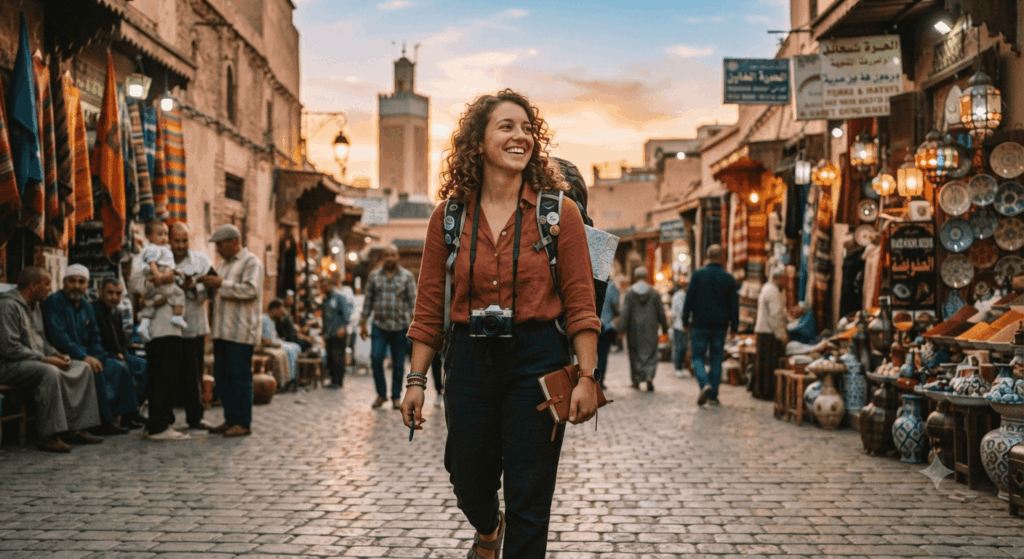
Travelling is more than simply visiting new places. It is an experience that allows us to step away from our daily routine, discover different cultures, meet new people, and see the world from a fresh perspective. Whether it is a short weekend trip, a road journey with family, or a long international adventure, travelling can have a meaningful impact on our lives. In today’s busy lifestyle, where work, responsibilities, and technology often keep us occupied, travelling gives us an opportunity to slow down and reconnect with ourselves. It refreshes the mind, creates beautiful memories, and teaches lessons that cannot always be learned from books or classrooms. What Makes Travelling Important in Human Life? Travelling helps us grow both personally and socially. Every destination has something different to offer, from its history and traditions to its food, people, landscapes, and way of life. Here are some of the most important reasons why travelling is valuable in our lives. 1. Travelling Gives You a Break from Routine Following the same routine every day can sometimes make life feel repetitive. Travelling provides a welcome change from the usual schedule. A new destination gives you new surroundings, new activities, and new experiences. Even a short trip can help you return home feeling refreshed and ready to continue your everyday responsibilities with a different mindset. 2. Travelling Helps You Discover Yourself One of the most beautiful things about travelling is that it gives you time to understand yourself better. When you are away from your familiar environment, you may find yourself making decisions, trying new things, and handling situations independently. These experiences can reveal your strengths, interests, and abilities. Sometimes, a journey is not only about discovering a new destination—it is also about discovering a new side of yourself. 3. It Teaches You About Different Cultures Every place has its own traditions, languages, food, festivals, clothing, architecture, and lifestyle. Travelling allows you to experience these differences personally. Instead of simply reading about a culture, you can meet local people, taste traditional food, visit historical places, and participate in local celebrations. This helps us understand that people may live differently while still sharing many of the same emotions, dreams, and values. 4. Travelling Expands Your Perspective Seeing the world through your own eyes can change the way you think. Travelling introduces you to different ways of living and encourages you to look beyond your own surroundings. You may discover that there are many ways to solve a problem, enjoy life, build relationships, and define success. This broader perspective can make you more open-minded and understanding. 5. It Creates Lifelong Memories Material things may lose their value over time, but memories often stay with us for years. A sunrise witnessed from a mountain, a family road trip, a walk through an old city, a conversation with a local person, or watching the sunset beside the sea can become memories that you remember for a lifetime. Travelling gives us stories to share and experiences that become part of our personal journey. 6. Travelling Brings People Closer Travelling with family and friends provides an opportunity to spend quality time together away from everyday responsibilities. During a journey, people often share meals, explore places, laugh together, solve unexpected problems, and experience new things as a group. These moments can strengthen relationships and create memories that bring people closer. Solo travel can also help people meet new friends and build connections with people from different backgrounds. 7. It Makes You More Confident Travelling often requires us to step outside our comfort zone. Finding your way around an unfamiliar city, communicating with people you have never met, trying unfamiliar food, managing travel plans, or dealing with unexpected changes can make you more confident. With every successful experience, you learn that you are capable of handling situations that may initially seem difficult. 8. Travelling Helps You Appreciate Nature Nature has a special way of refreshing the human mind. Mountains, forests, beaches, waterfalls, deserts, lakes, and valleys provide a break from crowded cities and screens. Spending time in natural surroundings can help us appreciate the beauty of the planet and remind us of the importance of protecting it. India, in particular, offers incredible natural diversity—from the Himalayas and Kerala’s backwaters to Rajasthan’s deserts and Goa’s beaches. 9. It Introduces You to New Food Food is an important part of every culture, and travelling is one of the best ways to experience it. Different regions have their own ingredients, cooking methods, spices, and traditional dishes. Trying local food can become one of the most enjoyable parts of a journey. From Rajasthani dal baati churma to Gujarati thali, South Indian dosa, Kashmiri dishes, and Bengali sweets, India’s culinary diversity makes travelling through the country an unforgettable experience. 10. Travelling Teaches Valuable Life Lessons Travelling teaches lessons that are difficult to learn from textbooks. You learn patience when a journey does not go according to plan. You learn adaptability when you enter an unfamiliar environment. You learn communication when people speak different languages. You learn appreciation when you see how differently people live. Most importantly, travelling teaches us to enjoy the journey instead of always focusing on the destination. 11. It Encourages Personal Growth Every journey brings new experiences. Some experiences may be comfortable, while others may challenge you. Both can contribute to personal growth. Travelling encourages curiosity, independence, adaptability, patience, and confidence. Over time, these qualities can influence how you approach challenges in your personal and professional life. 12. Travelling Helps You Appreciate Home Interestingly, travelling can also make you appreciate your home more. After spending time in a different environment, you may begin to notice the small things you previously took for granted—your family, your favourite food, your neighbourhood, your bed, or the comfort of familiar surroundings. Sometimes, going far away helps us understand the value of what we already have. Why Everyone Should Make Time for Travel Travelling does not always mean taking an expensive international holiday. A journey can be as simple
Best Time to Visit Rajasthan
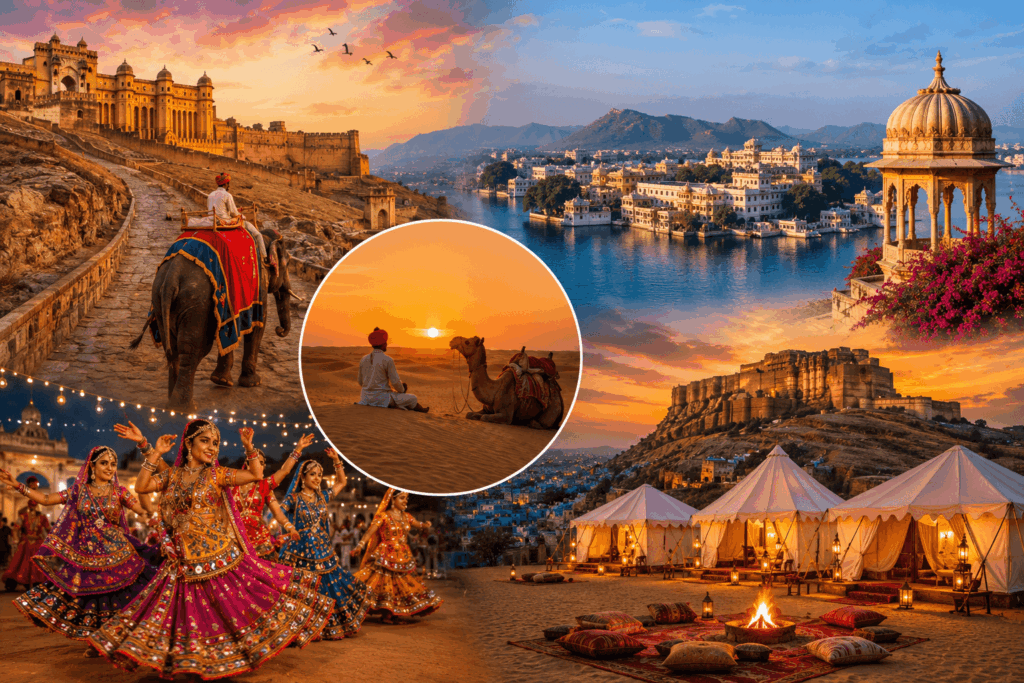
Best Time to Visit Rajasthan: Weather, Festivals & Travel Tips Rajasthan is the kind of place that stays with you long after the journey is over. It could be the first glimpse of a grand fort rising above a city, the golden colour of the Thar Desert at sunset, a quiet morning beside a lake in Udaipur, or the sound of folk music drifting through a village. With its royal palaces, colourful markets, desert landscapes and vibrant traditions, Rajasthan offers something different in every season. But choosing the best time to visit Rajasthan can make a big difference to your experience. The state is huge, and its weather changes considerably throughout the year. Winter is generally the most comfortable season for sightseeing, while the monsoon brings a greener and quieter side of Rajasthan. Summer, on the other hand, can be extremely hot in many parts of the state. So, when should you visit Rajasthan? Let’s look at the weather, festivals and practical travel tips to help you plan the perfect Rajasthan trip. Best Time to Visit Rajasthan at a Glance For most travellers, October to March is the best time to visit Rajasthan. During these months, the weather is generally comfortable for exploring forts, palaces, markets and desert destinations. Winter also coincides with several important cultural events and festivals across the state. Season Months Weather Best For Winter October–March Pleasant to cool Sightseeing, desert trips, festivals Summer April–June Very hot Mount Abu, fewer crowds Monsoon July–September Warm with rain Udaipur, Bundi, greenery Early Autumn October Comfortable Heritage trips and festivals Let’s explore each season in more detail. Rajasthan in Winter: October to March If you are visiting Rajasthan for the first time, winter is usually the safest choice. The days are generally pleasant, making it much easier to explore outdoor attractions. Rajasthan Tourism lists winter as the state’s best season for travel, with many areas experiencing temperatures of roughly 10°C to 30°C during this period. Nights can be considerably cooler, especially in desert areas. This is also when Rajasthan feels especially lively. Festivals, fairs and cultural events take place across the state, giving visitors a chance to experience local traditions alongside sightseeing. Why Visit Rajasthan in Winter? Places to Visit in Winter Winter is particularly good for exploring: If you want to combine several destinations into a Rajasthan road trip, winter is an excellent time to do it. Rajasthan in Summer: April to June Summer is the most challenging season for travelling around much of Rajasthan. From April onwards, temperatures rise quickly, and by May and June some areas can become extremely hot. Rajasthan Tourism notes that temperatures can reach around 48°C during the hottest part of summer. That does not mean Rajasthan is completely off-limits during summer. You simply need to plan differently. Start sightseeing early in the morning, take a break during the hottest part of the afternoon and explore again in the evening. Where to Go in Summer? If you want to visit Rajasthan during summer, consider: Mount Abu: Rajasthan’s only hill station offers a cooler alternative. Kumbhalgarh: The elevated surroundings can make it a more comfortable option than the desert cities. Ranakpur: Known for its beautiful Jain temple and forested surroundings. Rajasthan Tourism specifically recommends places such as Mount Abu, Kumbhalgarh and Ranakpur for summer travel. Summer Travel Tips Rajasthan During Monsoon: July to September Monsoon brings a surprisingly different side of Rajasthan. The desert state becomes greener in many areas, the skies become dramatic and places such as Udaipur and Bundi can look particularly beautiful after rainfall. Rainfall is not uniform across the state. The western desert region generally remains drier, while eastern and southeastern Rajasthan receive more rainfall. Another advantage is that the monsoon period can be quieter than the peak winter season. Best Places During Monsoon Consider visiting: Rajasthan Tourism specifically highlights Bundi, Udaipur and Keoladeo National Park as attractive monsoon destinations. Why Visit During Monsoon? Just keep some flexibility in your itinerary because rain can occasionally affect road travel. Rajasthan in October: The Start of the Popular Season October is a wonderful transition month. The intense summer heat has passed, the monsoon is generally winding down and the weather gradually becomes more comfortable for sightseeing. It is also around this period that Rajasthan starts becoming busier with travellers preparing for the winter season. If you prefer visiting before the busiest winter months but still want relatively comfortable weather, October can be an excellent choice. Famous Rajasthan Festivals to Experience One of the biggest advantages of visiting Rajasthan at the right time is being able to experience its festivals. The state has a packed calendar of fairs, cultural events and traditional celebrations. Pushkar Camel Fair The Pushkar Fair, also known as the Pushkar Camel Fair or Pushkar Mela, is one of Rajasthan’s most famous cultural events. Traditionally held around October and November, the fair brings together livestock traders, pilgrims, local communities and travellers. Alongside the livestock activities, visitors can enjoy competitions, cultural performances and the colourful atmosphere of Pushkar. If you want to see Rajasthan at its most colourful, this is a festival worth considering. Jaipur Literature Festival Usually held in winter, the Jaipur Literature Festival brings writers, readers, thinkers and artists together in Jaipur. For travellers who enjoy books, conversations and culture, it can add an entirely different dimension to a Rajasthan trip. Desert Festival, Jaisalmer The Desert Festival celebrates the traditional culture of the Thar region with folk music, dance, costumes and colourful performances. It is a particularly interesting time to combine a Jaisalmer sightseeing trip with a desert experience. Teej Festival Teej is closely associated with the monsoon season and is especially celebrated in Jaipur. The festival features colourful traditional clothing, music, dancing, swings and a traditional procession. Rajasthan Tourism describes the Jaipur Teej procession as an important cultural attraction during the monsoon. If you enjoy experiencing local culture rather than simply visiting monuments, Teej can be a wonderful reason to visit Jaipur during the monsoon. Winter Festival, Mount
Festivals of Gujarat
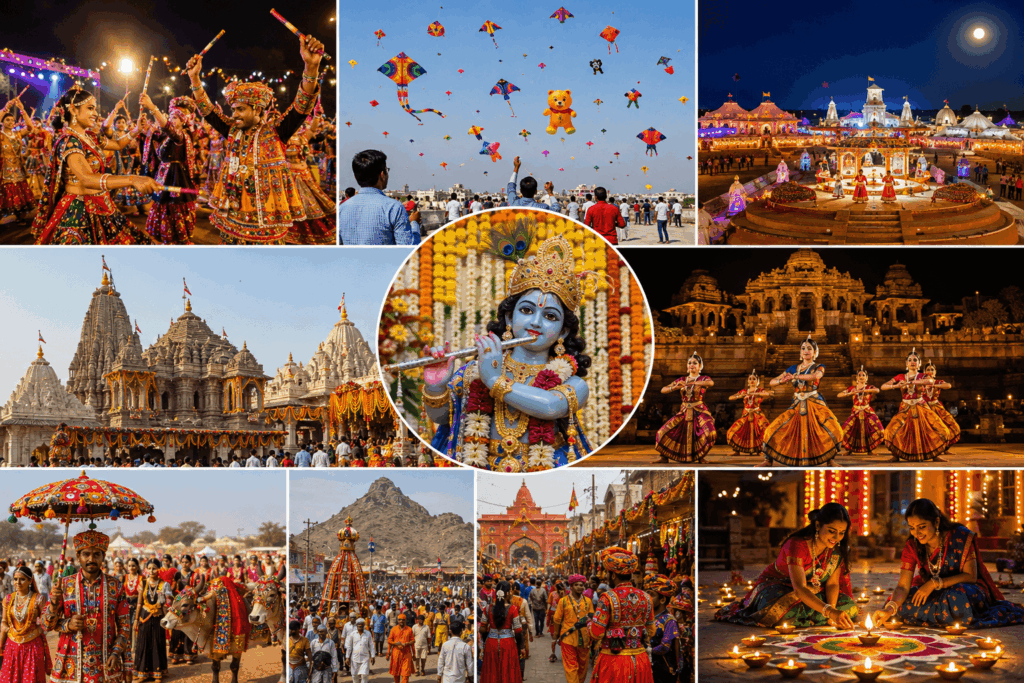
Festivals of Gujarat: A Colourful Celebration of Culture, Tradition and Joy Gujarat is a land where celebrations are rarely quiet. From the rhythmic beats of the dhol and the colourful movements of Garba to the bright kites filling the winter sky, festivals in Gujarat bring people together in a way that is both energetic and deeply rooted in tradition. Every festival has its own story, food, music and customs. Some are celebrated across the state, while others are closely connected with particular communities or regions. For a traveller, these celebrations offer something more than entertainment—they provide a chance to experience Gujarat’s culture as it is truly lived. If you are planning a trip to Gujarat, here are some of the most beautiful and famous festivals that deserve your attention. 1. Navratri – The Festival Gujarat Dances For If there is one festival that represents the spirit of Gujarat, it has to be Navratri. For nine nights, cities and villages across Gujarat come alive with Garba and Dandiya Raas. People dress in colourful traditional clothes, gather in large open grounds and dance to energetic folk music late into the night. Women often wear beautifully embroidered chaniya cholis, while men dress in colourful kediyu and traditional outfits. The atmosphere is full of music, lights, laughter and movement. Ahmedabad, Vadodara, Surat and Rajkot are among the places where Navratri celebrations can become especially lively. What makes Gujarat’s Navratri special is that Garba is not simply a performance. It is a celebration in which people of different ages and backgrounds join together. Best for: Culture, traditional dance, music, photography and experiencing Gujarat’s festive spirit. 2. Uttarayan – When the Sky Turns Into a Festival Every January, Gujarat looks up. Uttarayan, the famous kite festival, transforms the skies over cities such as Ahmedabad into a colourful display of thousands of kites. People begin preparing for the festival well in advance, buying colourful kites and special kite strings. On the festival day, rooftops become gathering places where families and friends fly kites, enjoy music and share traditional food. The atmosphere is especially lively in Ahmedabad, where the International Kite Festival has become an important attraction for visitors from India and around the world. And then there is the food. Undhiyu, jalebi, chikki and other Gujarati favourites make the festival even more memorable. Best for: Families, photography, food lovers and unique cultural experiences. 3. Rann Utsav – A Festival in the White Desert Few festivals in India have a setting quite like the Rann Utsav. Held in the Kutch region, this colourful celebration takes place against the extraordinary landscape of the Great Rann of Kutch. The white salt desert becomes a backdrop for traditional music, folk dance, handicrafts, cultural performances and local cuisine. Visitors can explore artisan stalls, enjoy folk performances and experience the distinctive culture of Kutch. At night, the vast white landscape under a clear sky creates an unforgettable atmosphere. The festival is also a great opportunity to discover the craftsmanship of Kutch, particularly its textiles, embroidery, pottery and traditional artwork. Best for: Culture, photography, handicrafts, desert experiences and families. 4. Janmashtami – Celebrating the Birth of Lord Krishna Gujarat has a special connection with Lord Krishna, particularly through the sacred city of Dwarka. Janmashtami, which celebrates the birth of Lord Krishna, is therefore an important festival in the state. Temples are decorated, devotional songs fill the air and devotees gather for prayers and celebrations. Dwarkadhish Temple in Dwarka becomes a major centre of activity during the festival. For travellers interested in India’s spiritual traditions, experiencing Janmashtami in Gujarat can provide a fascinating glimpse into the state’s religious heritage. Best for: Spiritual travel, temple visits and cultural experiences. 5. Modhera Dance Festival – Culture Under the Stars The Modhera Dance Festival is a beautiful meeting of classical Indian dance and historic architecture. Held near the magnificent Sun Temple at Modhera, the festival brings together performers and audiences in a setting that feels almost magical after sunset. Classical dance performances take place against the backdrop of the intricately carved temple, creating a unique combination of art, history and architecture. For anyone interested in India’s classical traditions, this is an experience worth adding to a Gujarat itinerary. Best for: Art lovers, history enthusiasts, photographers and culture seekers. 6. Tarnetar Fair – Folk Traditions Come Alive The Tarnetar Fair is one of Gujarat’s colourful traditional fairs, held near the Trishanku-style temple of Trinetreshwar Mahadev in the Surendranagar region. The fair is known for folk music, traditional dance, colourful costumes, handicrafts and local traditions. Visitors can see communities from the surrounding region come together to celebrate their heritage. The beautifully decorated umbrellas carried by young men are one of the distinctive features associated with the fair. Unlike large urban festivals, Tarnetar offers travellers an opportunity to experience a more traditional and rural side of Gujarat. Best for: Folk culture, photography, traditional crafts and offbeat travel. 7. Bhavnath Mahadev Fair – A Spiritual Celebration Held near the foothills of Mount Girnar in Junagadh, the Bhavnath Mahadev Fair is an important religious gathering. The fair is associated with Lord Shiva and attracts devotees, sadhus and visitors from different parts of the country. The surroundings add to the experience. The ancient landscape of Girnar, temples and spiritual atmosphere make this more than just a fair—it is a cultural and religious experience. Best for: Spiritual journeys, culture and exploring Junagadh. 8. Shamlaji Mela – A Traditional Tribal Gathering The Shamlaji Mela is held around the historic Shamlaji Temple in northern Gujarat. The fair attracts pilgrims as well as tribal communities from nearby regions. Traditional music, colourful clothing, local markets and religious rituals create a lively atmosphere. It is an interesting festival for travellers who want to understand the cultural diversity of Gujarat beyond its major cities. Best for: Culture, spirituality, local traditions and photography. 9. Vautha Mela – Gujarat’s Traditional Animal Fair Vautha Mela is one of Gujarat’s distinctive traditional fairs and is historically associated with livestock trading. The fair takes place
Pushkar Fair 2026: Dates, Attractions, How to Reach & Travel Guide
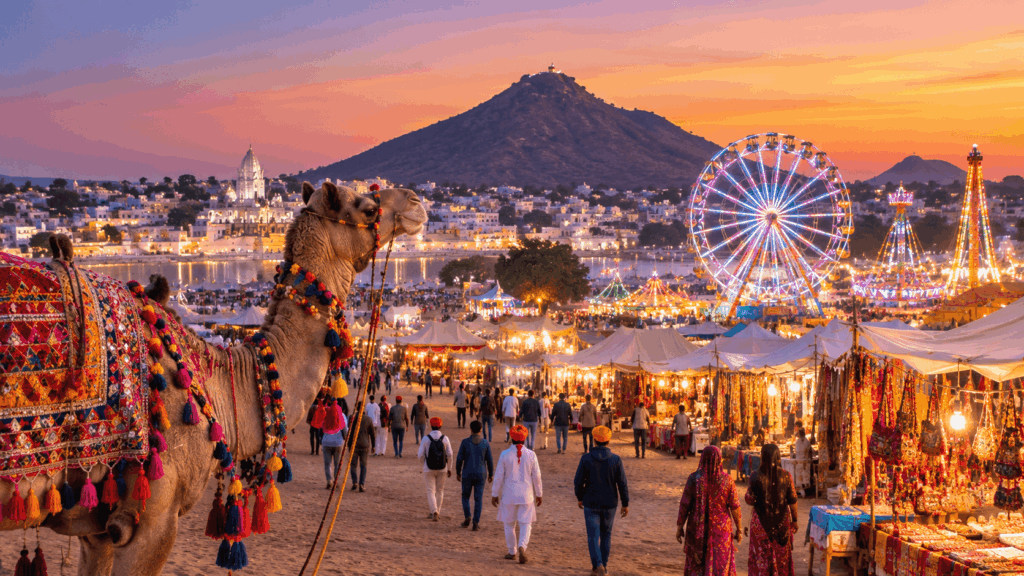
Pushkar Fair 2026 is one of Rajasthan’s most famous cultural events, bringing together camels, livestock, traditional competitions, local markets and visitors from across India and around the world. Also known as the Pushkar Camel Fair or Pushkar Mela, the event takes place in the historic town of Pushkar near Ajmer. According to the Rajasthan Tourism festival calendar, Pushkar Fair 2026 will be held from 17 November to 24 November 2026. For travellers, the fair is more than a camel festival. It is an opportunity to experience Rajasthan’s traditional lifestyle, colourful culture and spiritual side in one trip. Pushkar Fair 2026: Quick Facts Information Details Event Pushkar Fair 2026 Also Known As Pushkar Camel Fair, Pushkar Mela Dates 17–24 November 2026 Location Pushkar, Rajasthan District Ajmer Famous For Camels, livestock, culture and competitions Nearest Major City Ajmer Nearest Major Airport Jaipur Recommended Stay 2–3 days Best For Culture, photography, festivals and Rajasthan travel The fair has traditionally been associated with camel and livestock trading and has grown into a major tourist attraction. Rajasthan Tourism highlights competitions such as matka phod, longest moustache and bridal competitions as some of its popular attractions. What Is Pushkar Fair? Pushkar Fair is an annual camel and livestock fair held in Pushkar, Rajasthan. It traditionally brings together livestock traders and local communities, particularly around the Kartik period. Over the years, the event has developed into a major tourism attraction. Visitors now come for the combination of livestock activities, cultural performances, competitions, markets and religious experiences. You Can Experience What to Expect Camel Fair Camels being brought, groomed and decorated Livestock Fair Horses, cattle and other animals Local Culture Traditional clothing, music and performances Competitions Moustache, bridal and matka phod competitions Markets Handicrafts, clothing, jewellery and souvenirs Spiritual Side Pushkar Lake and temples Photography Colourful people, animals and fair activities The result is a festival that gives visitors a glimpse of both traditional and tourist-friendly Rajasthan. What Is Pushkar Fair Famous For? The decorated camels are probably the most recognisable part of the fair, but Pushkar offers much more than camel-related activities. Attraction Why It Is Famous Decorated Camels Camels are groomed and decorated for the fair. Horses and Livestock Traders bring animals from different parts of Rajasthan. Traditional Turbans Colourful turbans reflect Rajasthani culture. Cultural Competitions Includes longest moustache, bridal and matka phod competitions. Folk Performances Traditional music and dance add to the festive atmosphere. Local Markets Visitors can shop for crafts, jewellery and traditional clothing. Pushkar Lake An important religious and cultural landmark. Photography The fair provides plenty of colourful photography opportunities. The fair is particularly popular with photographers because everyday rural life, traditional dress, decorated animals and the desert surroundings create a very different experience from conventional sightseeing. Things to Do at Pushkar Fair 2026 A visit to Pushkar Fair does not have to be complicated. You can cover the major attractions by dividing your time between the fairground and Pushkar’s main landmarks. Activity What to See Explore the Fairground Camels, horses, livestock and traders Watch Competitions Traditional competitions and local activities Visit Pushkar Lake Ghats, religious activities and surrounding views Visit Brahma Temple One of Pushkar’s best-known religious landmarks Explore Local Markets Handicrafts, jewellery, textiles and souvenirs Try Local Food Rajasthani snacks and local dishes Take Photographs Fairground scenes, animals and traditional clothing Explore Pushkar Town Temples, streets, cafes and local shops Pushkar Lake is an important pilgrimage site with 52 bathing ghats, while the nearby Brahma Temple is one of the town’s major religious attractions. How to Reach Pushkar Fair Pushkar is easy to reach through Ajmer, which is the nearest major transport hub. The town is around 14–17 km from Ajmer, depending on the route or destination point. Starting Point Travel Option Approx. Distance Ajmer Taxi, Bus, Auto 15 km Jaipur Car, Taxi, Bus 145 km Delhi Train or Flight + Road 400+ km Mumbai Flight + Road 1,000+ km By Air For visitors arriving by air, Jaipur International Airport is a practical option. From Jaipur, you can continue to Pushkar by taxi, private car or bus. Rajasthan Tourism lists the Jaipur airport at approximately 146 km from Pushkar. By Train Ajmer Railway Station is the most convenient railway connection for Pushkar. From Ajmer, you can take a taxi, bus, auto or other local transport. Rajasthan Tourism states that Pushkar is connected with Ajmer railway station, around 14 km away. By Road Pushkar is well connected by road with Ajmer, Jaipur and other Rajasthan cities. Regular buses and private transport make road travel a convenient option. Pushkar Fair 2026 Travel Plan You can experience the main attractions of Pushkar with a simple 2–3 day itinerary. Day Suggested Plan Day 1 Arrive in Pushkar, explore the fairground and see camels and livestock. Day 2 Visit the fair, watch competitions, explore markets and visit Pushkar Lake. Day 3 Visit Brahma Temple, explore Pushkar town and continue to Ajmer or Jaipur. If you have more time, you can combine Pushkar with Ajmer, which is close enough to visit as part of the same Rajasthan trip. Travel Tips for Pushkar Fair 2026 The fair attracts a large number of visitors, so a little planning can make the experience easier. Travel Tip Why It Helps Book accommodation early Rooms can become limited during the fair. Plan transport in advance Pushkar can become busy during festival days. Start early Morning visits can be more comfortable. Wear comfortable shoes You may walk considerable distances. Carry sun protection Many activities take place outdoors. Carry some cash Useful for small purchases and local vendors. Respect local customs Pushkar is an important religious destination. Check official updates Event programmes can change before the festival. Rajasthan Tourism also recommends arriving before the main rush because Pushkar receives a large number of visitors during the fair. Frequently Asked Questions About Pushkar Fair 2026 When is Pushkar Fair 2026? Pushkar Fair 2026 is scheduled from 17 November to 24 November 2026 in Pushkar, Rajasthan. What is Pushkar Fair famous for? Pushkar Fair is
Rajasthan International Folk Festival 2026
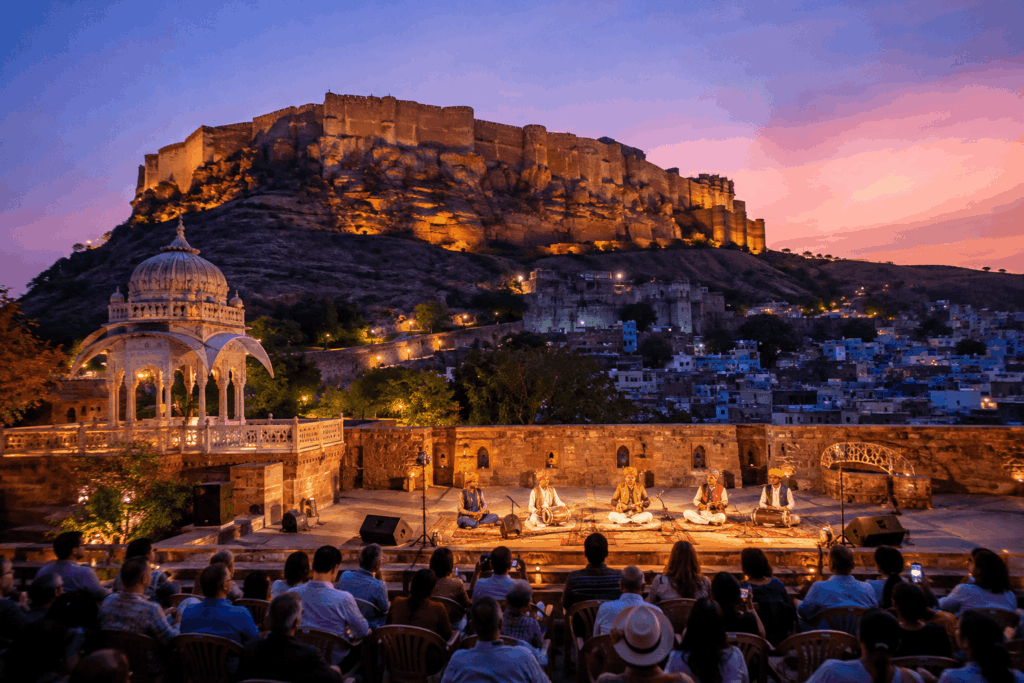
Rajasthan International Folk Festival 2026: Dates, Location, Tickets & Travel Guide Planning to visit the Rajasthan International Folk Festival 2026, popularly known as Jodhpur RIFF? This five-day celebration of folk, roots and world music is one of the most interesting cultural events in Rajasthan. The Rajasthan International Folk Festival 2026 will take place from 22 to 26 October 2026 in Jodhpur, with the magnificent Mehrangarh Fort as its main festival setting. Whether you are a local visitor, travelling from another Indian city or coming from abroad, this guide covers the practical details you need: dates, location, how to attend, transport options, where to stay, what to expect and how to plan your Jodhpur trip. Rajasthan International Folk Festival 2026: Quick Details Festival Detail 2026 Information Festival Name Rajasthan International Folk Festival Popular Name Jodhpur RIFF Dates 22–26 October 2026 Duration 5 days Main Location Mehrangarh Fort, Jodhpur City Jodhpur, Rajasthan Festival Type Folk, roots and world music Best For Music, culture, heritage and travel Country India The festival brings together the musical traditions of Rajasthan with artists and sounds from India and around the world. Its historic setting is a major part of the experience, making RIFF feel very different from a conventional music festival. Rajasthan International Folk Festival 2026 Dates The festival is scheduled over five days: Date Day Festival Day 22 October 2026 Thursday Day 1 23 October 2026 Friday Day 2 24 October 2026 Saturday Day 3 25 October 2026 Sunday Day 4 26 October 2026 Monday Day 5 RIFF is traditionally held around Sharad Purnima, which adds to the atmosphere of the evening performances. For travellers, these dates make it easy to build a short Jodhpur holiday around the event or include RIFF as part of a longer Rajasthan itinerary. Where Is Rajasthan International Folk Festival 2026 Held? The main festival location is Mehrangarh Fort in Jodhpur. However, RIFF is more than one performance stage. Depending on the programme, events can take place in different heritage spaces around the fort and nearby areas. Festival Area What Visitors Can Expect Mehrangarh Fort Main festival setting Jaswant Thada Historic and peaceful heritage location Chokelao Bagh Outdoor performance setting Historic Courtyards Intimate festival atmosphere Nearby Fort Areas Additional activities and performances The exact venue can differ from one performance to another, so check the official 2026 programme before heading out. How to Attend Rajasthan International Folk Festival 2026 RIFF is a ticketed event. Visitors should check the official festival information for the available 2026 passes and booking options. Previous editions have offered different ways to attend, including single-day and longer festival options. However, travellers should use the current 2026 information rather than relying on old ticket prices or schedules. Simple way to attend Step What You Need to Do 1 Check the official RIFF 2026 festival information 2 Choose the available ticket or pass 3 Complete your booking 4 Save your ticket or confirmation 5 Check the performance schedule 6 Note the venue for each event 7 Arrive early and enjoy the festival Which pass is better? Option Suitable For Single Day Visitors with limited time Multiple Days Travellers wanting more performances Full Festival Dedicated music and culture travellers For a first visit, staying in Jodhpur for a few nights gives you more freedom to enjoy the festival without rushing through the city’s main attractions. Can Local Visitors Attend? Absolutely. For people already living in Jodhpur, RIFF can easily be enjoyed as a one-day or weekend cultural outing. Local Transport Best For Auto-rickshaw Short local journeys Taxi/Cab Comfortable door-to-door travel Private Car Families and groups Local Transport Budget-conscious visitors Walking Visitors staying close to the old city Because Mehrangarh and the old city have narrow historic roads and busy areas, do not assume a private vehicle can take you directly to every festival entrance. Check the day’s venue and entry instructions before leaving. How to Reach Jodhpur for RIFF 2026 Jodhpur is well connected by air, train and road, making it easy to reach for both Indian and international visitors attending the Rajasthan International Folk Festival 2026. For travellers coming from major Indian cities such as Delhi, Mumbai, Jaipur and Ahmedabad, flights and trains are the most convenient options, while road travel works well for those combining RIFF with a Rajasthan road trip. International visitors can enter India through a major gateway such as Delhi, Mumbai or Jaipur and then continue to Jodhpur by domestic flight, train or private car. For travellers coming from nearby Rajasthan cities, buses, trains and private vehicles are practical choices. Choose your transport based on your time and budget: flying is best for speed, trains are ideal for value and overnight travel, and private cars are best for flexible Rajasthan itineraries. Best Transport Option for Different Travellers Traveller Best Option Jodhpur Local Taxi, auto or local transport Rajasthan Resident Train or road Delhi Traveller Flight or train Mumbai Traveller Flight or train Budget Traveller Train or bus Family Flight or private car Couple Flight or train Backpacker Train or bus International Visitor International gateway + flight/train Road-Trip Traveller Private car or driver Where to Stay During Rajasthan International Folk Festival For a festival-focused visit, staying around the Old City or central Jodhpur is a convenient choice. Area Best For Old City Festival + sightseeing Near Mehrangarh Convenient access Central Jodhpur Easy transport Outer Jodhpur Larger hotels and quieter stays Jodhpur also has heritage properties and traditional havelis that can make the trip feel more connected to the character of the city. For RIFF, location can be more important than choosing the most luxurious hotel. Staying closer to the historic centre can save valuable travel time during busy festival days. Things to Do in Jodhpur Besides RIFF The festival may be your reason for visiting, but Jodhpur itself deserves time. Mehrangarh Fort Give yourself time to explore the fort beyond the festival programme. Its historic buildings, courtyards and elevated viewpoints offer some of the best views of the city. Jaswant Thada This beautiful white-marble
Best Places to Visit in Delhi
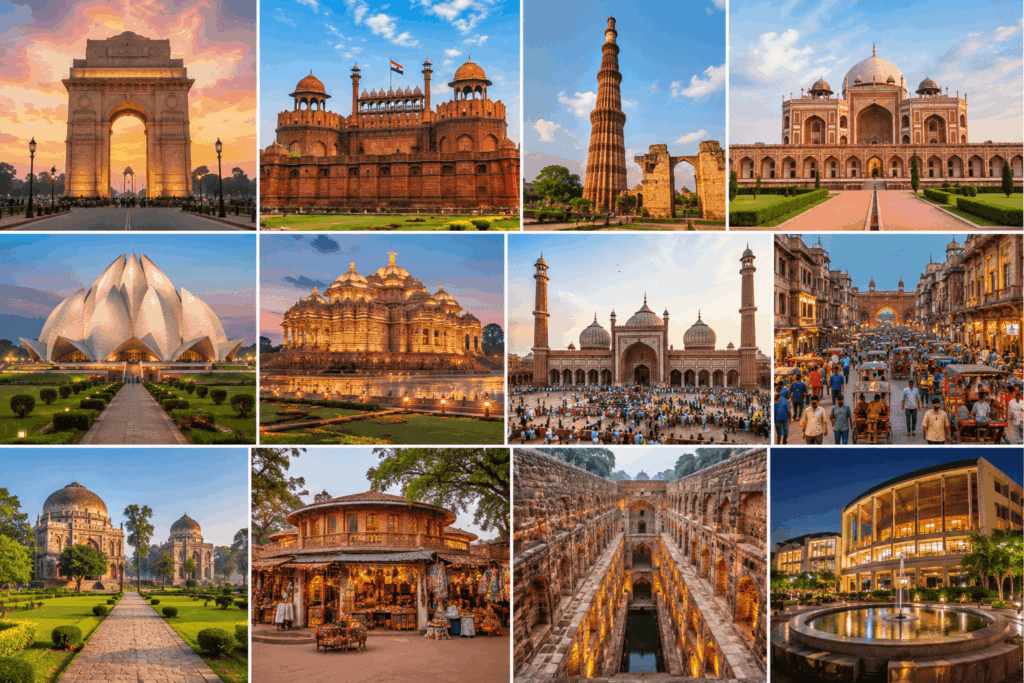
Best Places to Visit in Delhi: Explore the Heart of India Delhi is one of those cities that can feel overwhelming at first, but once you start exploring, you quickly realise how much it has to offer. It is a city where centuries-old monuments stand alongside modern buildings, where quiet gardens sit just a short drive from busy markets, and where street food can be just as memorable as a grand historical monument. From the magnificent Red Fort and India Gate to the peaceful Lodhi Garden and colourful streets of Chandni Chowk, Delhi offers something for every kind of traveller. Whether you are visiting Delhi for the first time or returning to discover something new, these are some of the best places to visit in Delhi. 1. India Gate – A Symbol of Delhi India Gate is one of the most recognisable landmarks in Delhi. Standing proudly in the heart of the city, this impressive war memorial is surrounded by wide roads and green lawns. It is particularly beautiful in the evening when the monument is illuminated and the surrounding area comes alive with visitors. A visit to India Gate is especially enjoyable around sunset. Families come for an evening walk, children play on the lawns and the atmosphere becomes lively without feeling rushed. If you are visiting Delhi for the first time, India Gate is an easy place to add to your itinerary. Best for: Evening walks, photography, families and sightseeing. 2. Red Fort – Walk Through Delhi’s History The Red Fort is one of Delhi’s most important historical landmarks. Built by Mughal emperor Shah Jahan, the magnificent red sandstone fort reflects the architectural grandeur of the Mughal era. Its massive walls, elegant gateways and historic buildings tell stories of a Delhi that existed centuries ago. Take your time while exploring the fort rather than simply taking a few photographs outside. The architecture and courtyards provide a fascinating glimpse into India’s royal past. The Red Fort also holds enormous national importance and is closely associated with India’s Independence Day celebrations. Best for: History lovers, architecture enthusiasts and photography. 3. Qutub Minar – A Masterpiece of Architecture No trip to Delhi feels complete without seeing the Qutub Minar. The towering monument rises dramatically above the surrounding Qutub complex and is one of the city’s most famous historical attractions. Its detailed stone carvings and Indo-Islamic architectural elements make it particularly impressive up close. The surrounding complex contains several other historic structures, so give yourself enough time to explore beyond the minaret itself. For photographers, the Qutub complex offers plenty of interesting angles, especially during the softer light of morning or late afternoon. Best for: History, architecture and photography. 4. Humayun’s Tomb – A Peaceful Architectural Gem Humayun’s Tomb is one of the most beautiful monuments in Delhi. Surrounded by carefully planned gardens, the monument is known for its grand structure, symmetrical design and red sandstone and white marble details. The tomb is also significant in the development of Mughal architecture in India and is often admired for the way its gardens, pathways and architecture come together. Compared with some of Delhi’s busier attractions, the surrounding gardens can make the visit feel surprisingly peaceful. Best for: Architecture, history, gardens and photography. 5. Lotus Temple – A Unique Place of Peace The Lotus Temple is one of the most distinctive modern landmarks in Delhi. Its beautiful white structure is designed in the shape of a lotus flower, making it instantly recognisable. The temple welcomes people of different faiths and is known for its quiet atmosphere. Even if you are not particularly interested in architecture, the peaceful environment makes the Lotus Temple worth visiting. Take some time to sit quietly and enjoy the surroundings rather than treating it as just another sightseeing stop. Best for: Architecture, peaceful experiences and photography. 6. Akshardham Temple – A Grand Cultural Experience Akshardham is one of the most impressive temple complexes in Delhi. The detailed stonework, sculptures and enormous scale make the complex visually spectacular. Beyond the architecture, visitors can experience exhibitions and cultural presentations that explore Indian traditions and heritage. The temple is best approached as a few-hour experience rather than a quick stop. Remember that security rules apply, and photography restrictions are in place in parts of the complex. Best for: Culture, architecture, spirituality and families. 7. Jama Masjid – Experience Old Delhi Located in the heart of Old Delhi, Jama Masjid is one of the city’s most impressive historic mosques. Its large courtyard, tall minarets and imposing architecture reflect the grandeur of Mughal-era Delhi. But the experience becomes even more interesting when you explore the neighbourhood around it. Chandni Chowk, narrow lanes, traditional shops and famous food spots are all nearby. A visit to Jama Masjid can easily be combined with an Old Delhi food and heritage walk. Best for: History, architecture, culture and Old Delhi exploration. 8. Chandni Chowk – The Flavours of Old Delhi Chandni Chowk is not a monument—it is an experience. The busy lanes of Old Delhi are filled with shops, historic buildings, street food stalls and markets selling everything from fabrics and jewellery to spices and traditional sweets. Food is one of the biggest reasons people visit. From crispy parathas and chaat to jalebi and traditional sweets, there is no shortage of things to try. It can be crowded and chaotic, but that is exactly what makes Chandni Chowk feel so alive. Best for: Street food, shopping, photography and experiencing Old Delhi. 9. Lodhi Garden – A Green Escape in the City After exploring Delhi’s busy streets, Lodhi Garden offers a welcome change of pace. The large green park contains several historic tombs and architectural remains surrounded by lawns, trees and walking paths. Early morning is particularly pleasant, when the garden is filled with walkers, runners and people enjoying the peaceful surroundings. It is a great place to slow down and enjoy a different side of Delhi. Best for: Morning walks, photography, history and relaxation. 10. Dilli Haat –
Beautiful Places in Himachal Pradesh
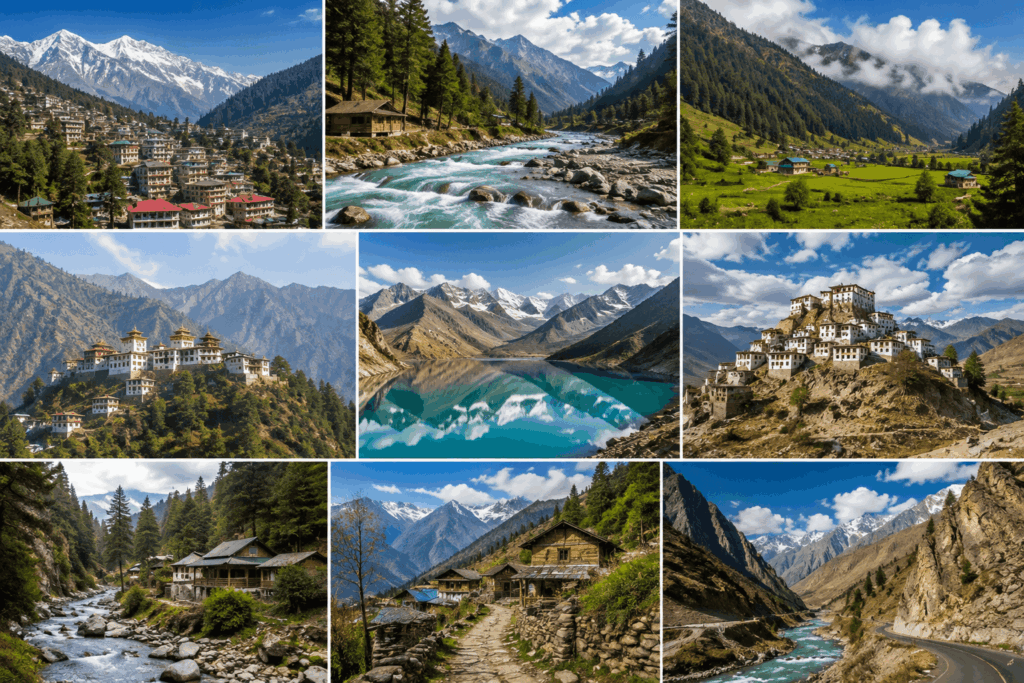
Beautiful Places in Himachal Pradesh: A Journey Through the Himalayas Himachal Pradesh has a way of making you slow down. Maybe it is the sound of a mountain stream flowing beside the road, the smell of pine trees after rain, or the sight of snow-covered peaks appearing between the clouds. Whatever the reason, travelling through Himachal feels less like simply visiting a destination and more like stepping into a completely different rhythm of life. From the charming streets of Shimla to the dramatic valleys of Spiti, Himachal Pradesh is filled with places that look beautiful in photographs but feel even better when you experience them in person. If you are planning a trip to the mountains, here are some of the most beautiful places in Himachal Pradesh worth adding to your travel list. 1. Shimla – The Classic Himalayan Escape Shimla is one of those hill stations that never really goes out of style. Once the summer capital of British India, Shimla is known for its colonial architecture, winding mountain roads, pine-covered hills and pleasant weather. The Mall Road and Ridge are perfect for an evening walk, while places such as Jakhu Temple offer beautiful views over the surrounding mountains. Shimla can be busy during peak holidays, but wake up early and explore the quieter lanes around town, and you will discover a much more peaceful side of the city. Best for: Families, couples, first-time visitors and weekend trips. 2. Manali – Where Mountains Meet Adventure Manali is perhaps one of the most popular destinations in Himachal Pradesh—and for good reason. Surrounded by tall mountains and lush forests, Manali offers a little bit of everything. You can spend your morning exploring Old Manali, visit Hadimba Temple, enjoy the cafés around the town or head towards Solang Valley for mountain adventures. For many travellers, Manali is also the starting point for exploring higher Himalayan destinations. But beyond the famous attractions, it is the simple moments that often stay with you: drinking hot chai while looking at the mountains, walking beside the Beas River, or watching clouds roll across the valley. Best for: Adventure, couples, families, friends and nature lovers. 3. Kasol – A Peaceful Valley by the Parvati River Tucked away in the Parvati Valley, Kasol is a favourite among backpackers and travellers looking for a slower mountain experience. The village sits beside the Parvati River and is surrounded by forested hills. The sound of flowing water, wooden cafés and mountain views create a relaxed atmosphere that makes it easy to forget about everyday life. Kasol is also a popular base for exploring nearby villages and trekking routes. If you enjoy walking, photography, nature and spending evenings beside a river, Kasol is worth experiencing. Best for: Backpackers, young travellers, nature lovers and trekkers. 4. Spiti Valley – A Landscape From Another World Spiti Valley feels completely different from the greener hill stations of Himachal. The landscape is rugged, vast and almost otherworldly. High mountains, barren valleys, ancient monasteries and tiny villages appear against a dramatic Himalayan backdrop. Key Monastery, one of the best-known landmarks in the valley, sits dramatically above the Spiti River. Villages such as Kaza, Langza and Kibber offer glimpses into the unique culture and lifestyle of the high-altitude region. Spiti is not the easiest destination to reach, but that is part of its appeal. The journey itself becomes an important part of the experience. Best for: Road trips, photography, adventure and mountain explorers. 5. Dharamshala – Mountains, Monasteries and Tibetan Culture Dharamshala offers a wonderful combination of Himalayan scenery and Tibetan culture. The upper part of the town, particularly McLeod Ganj, is known for Tibetan monasteries, cafés, prayer flags and a peaceful atmosphere. The surrounding Dhauladhar mountains provide a stunning backdrop. For travellers who enjoy culture and spirituality, Dharamshala offers plenty to explore. For adventure lovers, nearby trekking routes and mountain trails provide another reason to stay longer. Best for: Culture, spirituality, trekking and peaceful holidays. 6. Dalhousie – Colonial Charm in the Mountains Dalhousie is a charming hill station spread across several hills and surrounded by beautiful Himalayan scenery. Its colonial-era buildings, quiet roads and old-world atmosphere give the town a character of its own. One of the highlights of the region is Khajjiar, a beautiful meadow surrounded by cedar forests and often called the “Mini Switzerland of India.” Dalhousie is ideal if your idea of a holiday involves peaceful walks, scenic viewpoints and fresh mountain air rather than a packed itinerary. Best for: Families, couples, nature lovers and relaxed holidays. 7. Khajjiar – A Meadow Surrounded by Forests Khajjiar is one of the most picturesque destinations in Himachal Pradesh. The large green meadow, surrounded by dense cedar forests and mountains, creates a postcard-like landscape. A small lake sits in the middle of the meadow, adding even more charm to the scenery. It is a wonderful place to simply walk around, enjoy the views and spend a few quiet hours away from busy city life. Best for: Photography, families, nature lovers and day trips. 8. Kullu – The Valley of Gods Often overshadowed by nearby Manali, Kullu deserves attention in its own right. The valley is surrounded by mountains and crossed by the Beas River, creating some beautiful landscapes along the journey. Kullu is also known for its traditional culture, temples, handicrafts and the famous Dussehra festival. Instead of rushing through Kullu on your way to Manali, consider spending some time exploring the valley and its quieter surroundings. Best for: Culture, nature, families and scenic road trips. 9. Kinnaur – Apple Orchards and Himalayan Villages Kinnaur is one of Himachal’s most beautiful regions for travellers who want something beyond the usual tourist circuit. The landscape changes dramatically as you travel through the region, with green valleys, apple orchards, rocky mountains and traditional villages appearing along the way. Kalpa is particularly famous for its spectacular views of the Kinnaur Kailash range. The combination of mountains, forests and traditional Himalayan architecture makes the region ideal for travellers who
Rajwadi Food of Rajasthan – A Royal Feast of Flavours
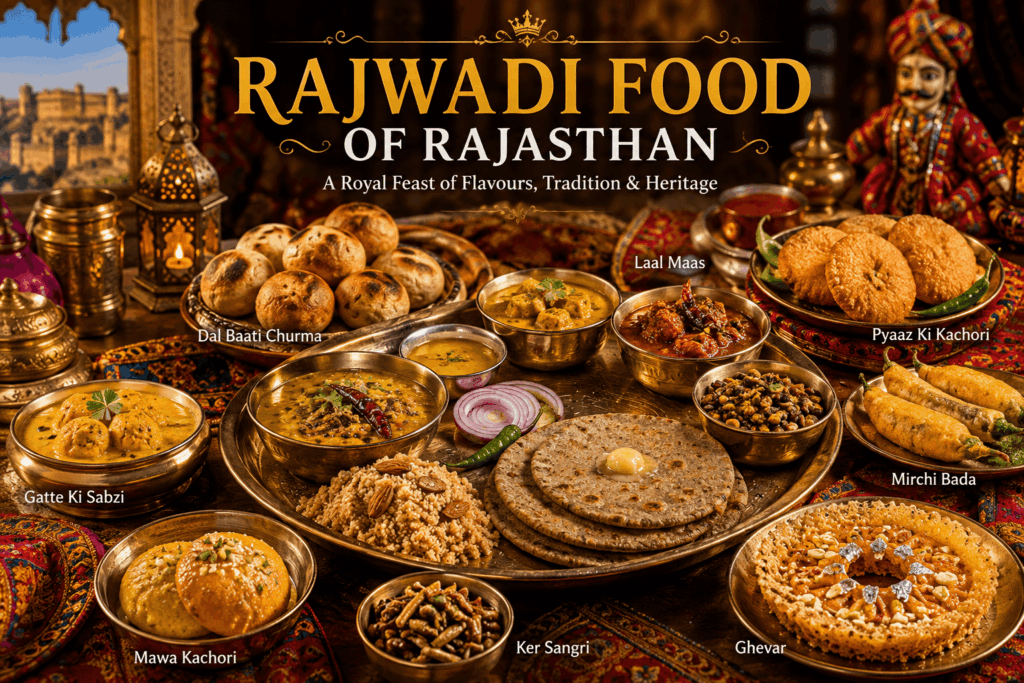
Rajasthan is famous for its grand forts, colourful traditions, desert landscapes, and royal heritage. But there is another part of Rajasthan that tells its story just as beautifully—the food. Rajwadi food of Rajasthan is a celebration of rich flavours, traditional cooking techniques, local ingredients, and centuries-old culinary traditions. Influenced by the kitchens of Rajput royalty and the practical needs of desert communities, Rajasthani cuisine is hearty, flavourful, and unforgettable. From the famous Dal Baati Churma to the rich Laal Maas, every dish carries a little piece of Rajasthan’s history. The Story Behind Rajwadi Cuisine Rajasthan’s food developed in a land where water was limited, the climate was harsh, and fresh vegetables were not always easily available. As a result, traditional cooks learned to create delicious meals using ingredients that could be stored for longer periods. Ghee, spices, gram flour, lentils, millet, dried vegetables, and dairy products became important parts of the local kitchen. Royal households took these simple ingredients and transformed them into elaborate dishes using slow cooking, aromatic spices, and generous amounts of ghee. The result was a cuisine that was both practical and luxurious. Dal Baati Churma – The Soul of Rajasthan No discussion about Rajasthani food is complete without Dal Baati Churma. Baati is a round wheat preparation traditionally baked over charcoal or in a traditional oven until it develops a crisp outer layer. It is then generously dipped in ghee and served with flavorful dal. Churma adds a sweet element to the meal. Crushed baati is mixed with ghee and sugar or jaggery, creating a rich and satisfying dessert-like accompaniment. Eating Dal Baati Churma is more than simply having a meal—it is an experience that represents the warmth and hospitality of Rajasthan. Laal Maas – A Royal Taste For lovers of spicy food, Laal Maas is one of Rajasthan’s most iconic dishes. Traditionally prepared with mutton, red chillies, garlic, yogurt, and aromatic spices, Laal Maas is known for its deep red colour and bold flavour. The dish is traditionally slow-cooked so that the meat becomes tender and absorbs the spices. Despite its fiery reputation, a well-prepared Laal Maas is about much more than heat—it has a complex, smoky, spicy, and rich flavour. It is often associated with the royal kitchens of Rajasthan and remains a favourite among non-vegetarian food lovers. Gatte Ki Sabzi – A Vegetarian Classic Rajasthani cuisine has an impressive variety of vegetarian dishes, and Gatte Ki Sabzi is one of the most loved. Gatte are made from gram flour, spices, and yogurt or other ingredients, shaped into small cylinders, cooked, and then added to a rich gravy. Since fresh vegetables were historically difficult to source in parts of Rajasthan, dishes such as Gatte Ki Sabzi became an important part of the local diet. Today, it is a staple on many Rajasthani dining tables. Ker Sangri – A Taste of the Desert Ker Sangri is a perfect example of how Rajasthan’s traditional cuisine adapted to its environment. Made using dried desert berries and beans, the dish is cooked with spices and oil to create a flavourful preparation that can be stored for long periods. The earthy taste of Ker Sangri offers a genuine connection to Rajasthan’s desert landscape and traditional lifestyle. Pyaaz Ki Kachori – A Favourite Snack If you are exploring the streets of Rajasthan, make sure you try Pyaaz Ki Kachori. This crispy, deep-fried snack is filled with a spicy mixture of onions, herbs, and aromatic spices. Jaipur, Jodhpur, and other cities are particularly famous for their kachoris. Enjoy it with chutney and a cup of hot chai, and you have the perfect Rajasthani snack. Mirchi Bada – Spicy and Satisfying Another popular street food is Mirchi Bada. Large green chillies are filled or coated with a spiced gram-flour mixture and fried until golden and crispy. It is usually served with chutney and makes a delicious evening snack. For those who enjoy a little heat, Mirchi Bada is definitely worth trying. Ghevar – The Sweet Side of Rajasthan Rajasthani cuisine is not complete without its traditional sweets, and Ghevar is one of the most famous. This disc-shaped sweet has a distinctive honeycomb texture and is commonly prepared during festivals and celebrations. It is often topped with rabri, nuts, or saffron to make it even richer. During festivals such as Teej and Raksha Bandhan, Ghevar becomes a particularly popular treat. Mawa Kachori – A Royal Sweet Unlike the savoury kachori, Mawa Kachori is a rich Rajasthani sweet. It is stuffed with mawa, nuts, sugar, and aromatic spices before being fried and coated or served with sugar syrup. Jodhpur is particularly known for its delicious Mawa Kachori, making it a must-try for anyone exploring Rajasthan’s food culture. Bajre Ki Roti and Traditional Accompaniments Bajre Ki Roti, made from pearl millet flour, has traditionally been an important part of Rajasthani cuisine. It is commonly enjoyed with ghee, garlic chutney, dal, vegetables, or buttermilk. Simple yet filling, it reflects the traditional food habits of Rajasthan’s rural communities. The combination of rustic bread, spicy chutney, and homemade ghee is a wonderful example of how simple ingredients can create memorable flavours. The Royal Dining Experience Rajwadi food is not only about individual dishes. It is also about the way food is served. Traditional Rajasthani meals can include numerous dishes served together, creating a colourful and generous spread. In royal-style dining experiences, food may be presented in beautifully decorated thalis accompanied by traditional hospitality. The use of silverware, brass utensils, traditional seating, folk music, and colourful surroundings can make the meal feel like a journey into Rajasthan’s royal past. Rajasthani Thali – A Feast on One Plate A Rajasthani Thali brings together many flavours in one meal. Depending on where you eat, it may include dal, baati, churma, gatte, ker sangri, bajre ki roti, kadhi, papad, chutneys, sweets, and several other preparations. The beauty of a Rajasthani thali lies in its variety. You can experience spicy, sweet, tangy, savoury, and rich flavours within a single meal. Food as
Kerala – God’s Own Country
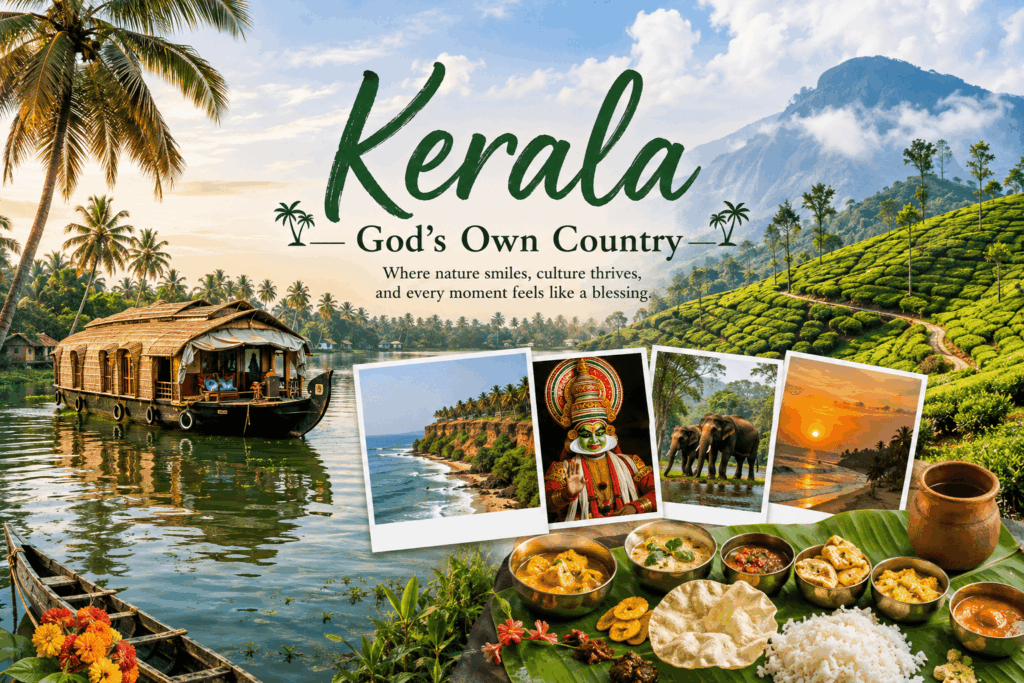
There are places you visit, and then there are places you experience. Kerala is one of them. From peaceful backwaters and palm-fringed beaches to misty hill stations, lush forests, and colourful traditions, Kerala has a way of slowing life down and making every moment feel special. Located in the southern part of India, Kerala is often called “God’s Own Country”—and after experiencing its landscapes, culture, food, and warm hospitality, it is easy to understand why. A Land of Backwaters and Boats The backwaters are perhaps the first image that comes to mind when people think of Kerala. A network of lakes, canals, rivers, and lagoons stretches across the state, surrounded by coconut trees, small villages, paddy fields, and traditional homes. A ride on a traditional houseboat, locally known as a Kettuvallam, is one of the best ways to experience this unique side of Kerala. As the boat gently moves through the water, you can watch everyday village life unfold along the banks. Fishermen return with their catch, children head home from school, and locals go about their daily routines. It is peaceful, simple, and wonderfully different from the busy pace of city life. Munnar – Where the Hills Turn Green If the backwaters show Kerala’s peaceful side, Munnar introduces you to its mountains. Located in the Western Ghats, Munnar is surrounded by rolling tea plantations, mist-covered hills, waterfalls, and cool mountain air. The endless green landscapes make it one of Kerala’s most beautiful destinations. Walking through a tea garden or simply sitting somewhere with a view of the hills can be enough to make you forget about your daily routine. Munnar is also a wonderful destination for nature lovers and couples looking for a quiet escape. Alleppey – Life Along the Water Alappuzha, popularly known as Alleppey, is often called the gateway to Kerala’s backwaters. A houseboat journey here offers a completely different kind of travel experience. Instead of rushing from one attraction to another, you simply sit back and watch Kerala pass by. The scenery changes slowly—from coconut-lined waterways and rice fields to small villages and local temples. Sunset over the backwaters is particularly beautiful, with the golden light reflecting across the calm water. Kerala’s Beautiful Beaches Kerala is not only about hills and backwaters. Its coastline is equally inviting. Varkala is famous for its dramatic cliff overlooking the Arabian Sea, while Kovalam is known for its sandy beaches and relaxed atmosphere. These coastal destinations are perfect for enjoying a slow afternoon, watching the sunset, or simply listening to the waves. Unlike crowded tourist destinations, many parts of Kerala’s coastline still retain a relaxed and natural character. A Journey Through Kerala’s Wildlife For those who love nature and wildlife, Kerala offers several protected forests and wildlife sanctuaries. Periyar Wildlife Sanctuary in Thekkady is one of the most popular places to explore Kerala’s wilderness. Surrounded by dense forests and the beautiful Periyar Lake, the region is home to elephants, deer, monkeys, birds, and many other species. A boat ride on the lake or a guided nature walk allows visitors to experience the quieter side of Kerala. The Rich Culture of Kerala Kerala’s beauty is not limited to its landscapes. Its culture is just as fascinating. Traditional dance forms such as Kathakali and Mohiniyattam reflect the state’s deep artistic heritage. Kathakali, with its elaborate costumes, colourful makeup, expressive movements, and dramatic storytelling, is particularly captivating to watch. Kerala’s temples, churches, mosques, traditional homes, festivals, and local art forms add another layer to the travel experience. If you visit during a festival, you may also witness traditional processions, decorated elephants, music, and performances that bring communities together. Kerala’s Delicious Food No journey through Kerala is complete without tasting its food. Kerala cuisine makes wonderful use of coconut, spices, fresh seafood, rice, and locally grown ingredients. From crispy appam with stew to Kerala-style fish curry, puttu, dosa, and traditional vegetarian dishes, there is something for every food lover. And then there is the famous Kerala Sadya—a traditional feast served on a banana leaf. With several dishes arranged together, it is not just a meal but a cultural experience. Ayurveda and Wellness Kerala has also earned a reputation as one of India’s leading destinations for Ayurveda and wellness. Surrounded by greenery and a naturally calming environment, the state provides the perfect setting for traditional Ayurvedic treatments, yoga, meditation, and wellness retreats. For many travellers, a Kerala holiday is not only about sightseeing. It is also about taking a break, relaxing, and returning home feeling refreshed. The Best Time to Visit Kerala The ideal time to visit Kerala depends on the kind of experience you want. October to March is generally considered a comfortable period for sightseeing, with pleasant weather across many parts of the state. The monsoon season, from around June to September, brings heavy rainfall but also transforms Kerala into a lush green paradise. For travellers interested in Ayurveda, the monsoon season has traditionally been considered an important time for certain wellness therapies. Why Kerala Should Be on Your Travel List Kerala is special because it offers many different experiences within one journey. You can wake up on a houseboat surrounded by backwaters, spend the next day among tea plantations in the hills, explore a wildlife sanctuary, relax beside the Arabian Sea, and finish your trip with a traditional Kerala meal. But perhaps the most memorable part of Kerala is its atmosphere. Life here often feels slower, greener, and more connected to nature. Final Thoughts Kerala is more than a destination—it is a feeling. It is the sound of water gently moving beneath a houseboat, the smell of fresh spices from a local kitchen, mist floating over the hills of Munnar, waves reaching the beaches of Varkala, and the warmth of people welcoming you into their home. Whether you are travelling with family, planning a romantic escape, searching for adventure, or simply looking for a peaceful break, Kerala has something waiting for you. And perhaps that is why Kerala continues to live