
15 Best Places to Visit in India with Your Best Friend for an Unforgettable Trip
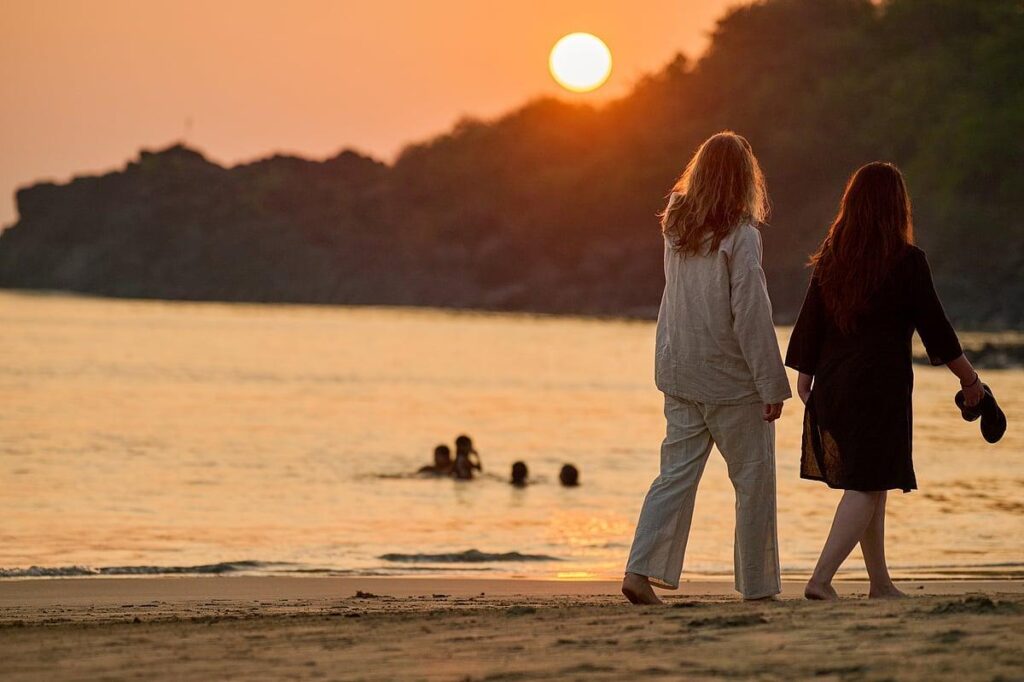
Travelling with your best friend is not just about exploring new destinations; it is about creating unforgettable memories, sharing adventures, laughing at unexpected moments, and discovering beautiful places together. From the snow-covered mountains of Manali to the golden deserts of Rajasthan and the tropical beaches of Goa, India offers endless opportunities for an incredible friendship getaway. Whether you are planning an adventurous road trip, a relaxing beach holiday, a cultural escape, or a budget-friendly vacation, there are countless places to visit in India with your best friend. At Golden India Travels, we believe every great friendship deserves an extraordinary journey. Here are 15 amazing destinations in India that you and your travel buddy should add to your bucket list. 1. Goa – Beaches, Nightlife and Endless Fun Goa is undoubtedly one of the best places to visit in India with friends. Famous for its stunning beaches, vibrant nightlife, Portuguese architecture, and relaxed atmosphere, Goa offers the perfect combination of adventure and relaxation. Whether you want to dance at a beach party, watch a beautiful sunset, explore local markets, or simply relax beside the Arabian Sea, Goa never disappoints. Best Things to Do with Your Best Friend: Best Time to Visit: November to February. Perfect For: Beach lovers, party enthusiasts, and adventure seekers. 2. Manali – A Mountain Adventure with Your Bestie Imagine waking up to breathtaking Himalayan views, enjoying hot coffee in the chilly mountain air, and exploring scenic valleys with your best friend. Manali, located in Himachal Pradesh, is an excellent destination for travellers who love mountains, nature, and outdoor adventures. From thrilling activities to peaceful riverside cafés, Manali offers experiences that make every friendship trip memorable. Best Things to Do: Best Time to Visit: March to June for pleasant weather and December to February for winter experiences. Perfect For: Mountain lovers and adventure enthusiasts. 3. Jaipur – Explore the Royal Beauty of Rajasthan If you and your best friend love history, architecture, colourful markets, and royal experiences, Jaipur should be on your travel list. Popularly known as the Pink City, Jaipur is filled with magnificent palaces, historical forts, traditional bazaars, and beautiful photography locations. The city’s royal atmosphere makes it a wonderful destination for friends looking to explore India’s rich cultural heritage. Best Things to Do: Best Time to Visit: October to March. Perfect For: Culture enthusiasts, photographers, and heritage lovers. 4. Rishikesh – Adventure and Peace Together Looking for a destination where you can experience thrilling adventures and peaceful surroundings on the same trip? Rishikesh is the perfect choice. Situated along the sacred River Ganges in Uttarakhand, Rishikesh is famous for yoga, spirituality, river rafting, scenic cafés, and breathtaking Himalayan foothills. It is an ideal destination for best friends who want to escape their daily routines and experience something refreshing. Best Things to Do: Best Time to Visit: February to April and September to November. Perfect For: Adventure seekers and nature lovers. 5. Udaipur – A Beautiful Lakeside Friendship Getaway Known as the City of Lakes, Udaipur is one of the most picturesque destinations in India. With magnificent palaces, romantic lakes, charming streets, and rooftop restaurants, Udaipur is not just for couples. It is also an amazing destination for a memorable best-friend vacation. Spend your days exploring royal architecture and your evenings watching the sunset over Lake Pichola. Best Things to Do: Best Time to Visit: October to March. Perfect For: Relaxed vacations, photography, and cultural experiences. 6. Leh-Ladakh – The Ultimate Best Friend Road Trip Some journeys are meant to be experienced with your closest friends, and Ladakh is definitely one of them. Its dramatic mountains, crystal-clear lakes, Buddhist monasteries, and spectacular landscapes make it one of India’s most extraordinary travel destinations. A road trip through Ladakh offers unforgettable views and countless opportunities to create memories together. Best Things to Do: Best Time to Visit: June to September for popular summer road-trip routes, depending on weather and road conditions. Travel Tip: Plan adequate time for altitude acclimatisation before undertaking strenuous activities or travelling to higher elevations. Perfect For: Road-trip enthusiasts, photographers, and adventurous friends. 7. Jaisalmer – Desert Camping Under the Stars Want to experience something completely different with your best friend? Head to Jaisalmer, Rajasthan’s beautiful Golden City. Surrounded by the magnificent Thar Desert, Jaisalmer offers golden sand dunes, historical architecture, traditional music, and unforgettable desert camping experiences. Spending an evening under the stars in the desert is a memory you and your best friend will cherish forever. Best Things to Do: Best Time to Visit: October to March. Perfect For: Desert adventures and unique cultural experiences. 8. Kerala – Nature, Backwaters and Beautiful Memories Kerala is an ideal destination for friends who prefer peaceful surroundings, lush greenery, tropical landscapes, and relaxing experiences. Popularly known as God’s Own Country, Kerala offers everything from misty hill stations and scenic beaches to peaceful backwaters. Whether you want to explore tea plantations in Munnar or enjoy a houseboat cruise in Alleppey, Kerala promises an unforgettable holiday. Best Things to Do: Best Time to Visit: October to March for generally pleasant sightseeing conditions. Perfect For: Nature lovers and relaxing friendship getaways. 9. Kasol – A Peaceful Escape into the Mountains Kasol is a beautiful Himalayan village in Himachal Pradesh, popular among backpackers and travellers seeking a relaxed mountain getaway. Surrounded by pine forests, spectacular mountains, and the Parvati River, Kasol is perfect for friends who enjoy nature, trekking, and peaceful surroundings. Best Things to Do: Best Time to Visit: March to June and September to November. Perfect For: Backpackers, nature enthusiasts, and mountain lovers. 10. Andaman Islands – A Tropical Paradise for Best Friends If your idea of a perfect friendship trip includes turquoise water, white sandy beaches, and beautiful tropical scenery, the Andaman Islands should be on your bucket list. The islands offer an incredible combination of relaxation, adventure, and natural beauty. Best Things to Do: Best Time to Visit: November to April. Perfect For: Beach enthusiasts and underwater adventure lovers. 11. Varanasi – Experience India’s Spiritual
Explore Rajasthan – The Land of Kings
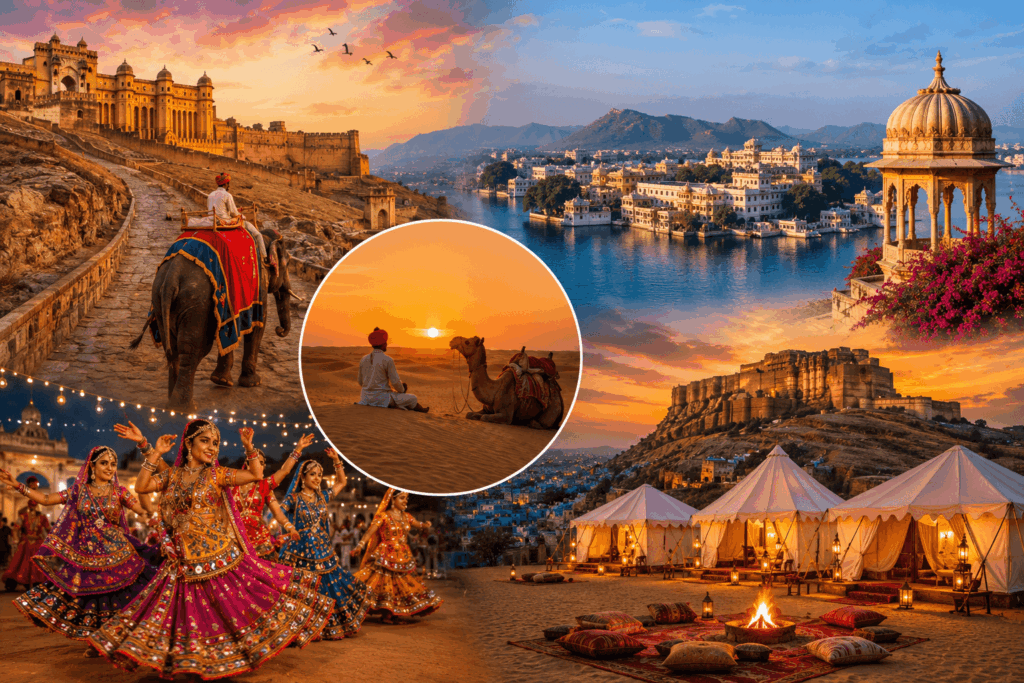
Rajasthan is a land where magnificent forts rise above historic cities, colorful markets fill narrow streets, desert landscapes stretch toward the horizon, and centuries-old traditions remain part of everyday life. Known as the Land of Kings, Rajasthan is one of India’s most fascinating destinations for travelers who want to experience royal heritage, vibrant culture, traditional cuisine, wildlife and unforgettable landscapes. From the pink streets of Jaipur and the blue houses of Jodhpur to the golden dunes of Jaisalmer and the peaceful lakes of Udaipur, every part of Rajasthan offers a different story. If you are planning an India holiday, exploring Rajasthan can be the perfect way to discover the country’s royal history and cultural diversity. Why Is Rajasthan Called the Land of Kings? Rajasthan has a long association with Rajput kingdoms, royal families, historic battles and magnificent architecture. The region is famous for its impressive forts, palaces, havelis, temples and traditional arts. Rajasthan Tourism describes the state as a combination of massive forts, stunning palaces, diverse cultures, traditional cuisine and striking landscapes. The legacy of its former kingdoms can still be experienced through its architecture, festivals, music, food and local traditions. For travelers, this means that a journey through Rajasthan is not simply a sightseeing trip—it is an opportunity to experience a living cultural heritage. Best Places to Explore in Rajasthan Rajasthan is a large state with destinations ranging from desert cities and historic forts to lakes, forests and hill stations. Here are some of the best places to include in your Rajasthan itinerary. Jaipur – The Pink City Jaipur is one of the most popular destinations in Rajasthan and an important part of India’s Golden Triangle. Founded in 1727 by Maharaja Sawai Jai Singh II, Jaipur is known for its distinctive pink architecture, historic forts, palaces and lively markets. Places to Visit in Jaipur Jaipur is also an excellent place to experience traditional Rajasthani handicrafts, jewelry, textiles and local cuisine. A walk through the city’s historic markets can be just as memorable as visiting its grand monuments. Jodhpur – The Blue City Jodhpur is famous for its blue-painted houses and the spectacular Mehrangarh Fort overlooking the old city. The city was founded in 1459 and has a strong connection with the Rathore dynasty. Highlights of Jodhpur The view from Mehrangarh Fort provides an impressive perspective of Jodhpur’s blue neighborhoods and surrounding landscape. For photographers and culture lovers, the old city is particularly rewarding to explore. Udaipur – The City of Lakes Udaipur offers a completely different side of Rajasthan. Surrounded by the Aravalli Hills and known for its lakes and palaces, Udaipur is often associated with romantic landscapes and royal architecture. Places to Visit in Udaipur A boat ride across Lake Pichola around sunset is one of the most memorable experiences to add to a Rajasthan journey. Jaisalmer – The Golden City If you want to experience the desert side of Rajasthan, Jaisalmer should be on your itinerary. Located near the Thar Desert, Jaisalmer is known for its golden sandstone architecture and famous living fort. Things to Experience in Jaisalmer Spend an evening among the dunes as the sun sets over the desert, followed by traditional music and dinner at a desert camp. It is one of the experiences that makes Rajasthan different from many other destinations in India. Pushkar – A Spiritual Side of Rajasthan Pushkar is a historic town built around the sacred Pushkar Lake. It is known for its temples, ghats, colorful markets and spiritual atmosphere. Rajasthan Tourism identifies Pushkar as one of the state’s important destinations for fairs, festivities and pilgrimage. Things to Explore in Pushkar Pushkar can be easily combined with Jaipur and Ajmer in a Rajasthan itinerary. Ranthambore – Rajasthan Beyond Forts and Palaces Rajasthan is not only about royal architecture. Ranthambore offers a completely different experience through wildlife and nature. Ranthambore National Park is known for its tiger population and diverse wildlife, with the historic Ranthambore Fort forming part of its dramatic landscape. A safari may provide opportunities to see animals such as: For travelers interested in wildlife, adding Ranthambore to a Rajasthan itinerary can create a memorable combination of heritage and adventure. Experience the Thar Desert The Thar Desert is one of Rajasthan’s defining landscapes. Jaisalmer provides easy access to desert experiences where travelers can enjoy camel rides, jeep safaris, traditional performances and overnight camping. A desert evening can include: For international visitors, a night in the desert can become one of the highlights of their India trip. Discover Rajasthan’s Forts and Palaces Rajasthan’s architecture is one of its greatest attractions. Across the state, travelers can discover: Jaipur’s Amber Fort, Jodhpur’s Mehrangarh Fort and Jaisalmer Fort are among the most recognizable examples. But beyond the major tourist cities, Rajasthan also has smaller towns where beautifully decorated havelis and historic buildings reveal another side of the state’s heritage. Experience Rajasthani Food Food is an important part of exploring Rajasthan. Traditional dishes often reflect the state’s desert environment and royal culinary traditions. Some dishes to try include: Local food can be enjoyed in restaurants, heritage properties and traditional markets throughout the state. Rajasthan’s Colorful Culture One of the most memorable aspects of Rajasthan is its vibrant culture. Travelers may encounter: Rajasthan’s tourism heritage also includes distinctive folk traditions such as Langa-Manganiyar music and Kalbeliya dance. These cultural experiences make a Rajasthan holiday much more than a collection of monument visits. Best Time to Explore Rajasthan The cooler months are generally popular for Rajasthan sightseeing because travelers can spend more time outdoors comfortably. A typical Rajasthan travel season runs from October to March, although the best timing can vary depending on the destination and type of experience. October to November Pleasant conditions make this a popular period for sightseeing and exploring cities. December to February These months are popular for heritage tours, desert experiences and wildlife trips. Mornings and evenings can be cold, especially in desert areas. March The weather starts becoming warmer, but the season can still be suitable for many cultural
Rajasthan in Winter: Best Places to Visit, Things to Do & Travel Guide
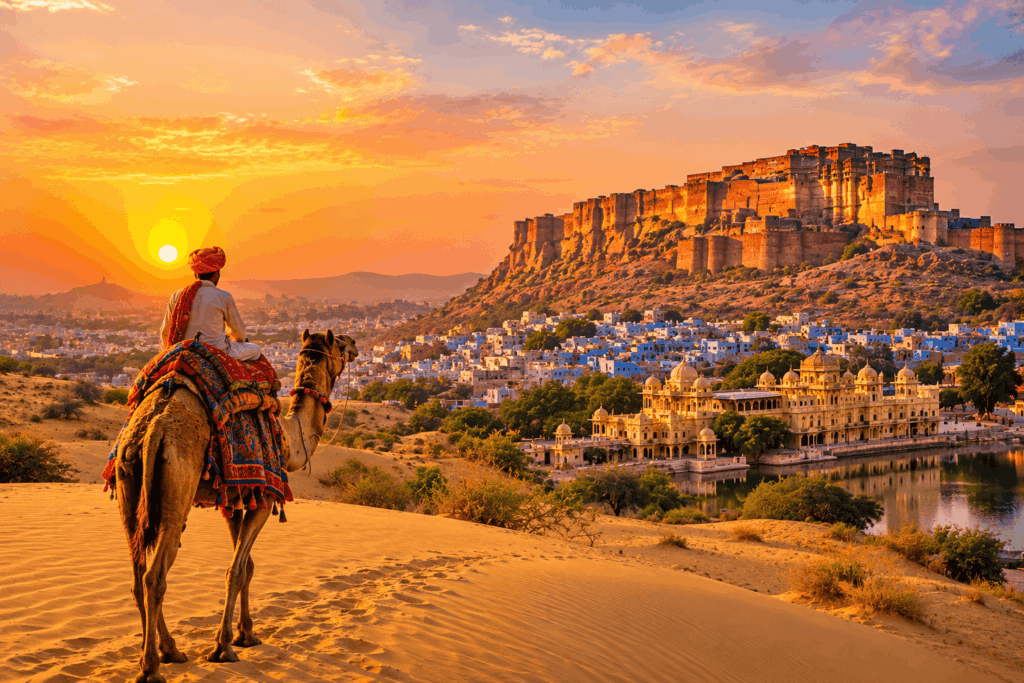
Rajasthan in winter is one of the best ways to experience the royal side of India. From magnificent forts and colorful markets to golden desert landscapes and peaceful lakes, the cooler months make Rajasthan ideal for sightseeing and cultural experiences. The winter season brings comfortable daytime temperatures, beautiful sunsets and a lively atmosphere to cities such as Jaipur, Jodhpur, Udaipur and Jaisalmer. If you are planning a trip to India between October and March, a Rajasthan winter tour can be an excellent choice for discovering the state’s history, architecture, food and traditional culture. Why Visit Rajasthan in Winter? Rajasthan has a desert climate, which means summer temperatures can become extremely high. Winter offers much more comfortable conditions for exploring outdoor attractions. During the winter months, you can enjoy: The cooler weather also makes it easier to combine several cities in one itinerary. Best Places to Visit in Rajasthan During Winter Rajasthan has many destinations, but some are particularly enjoyable during the winter season. Jaipur – The Pink City Jaipur is often the starting point for Rajasthan tours. The city combines royal architecture, colorful markets and traditional culture. Some of the most popular attractions include: Amber FortLocated on the outskirts of Jaipur, Amber Fort is known for its grand courtyards, gateways and hilltop location. Hawa MahalThe iconic Palace of Winds is one of Jaipur’s most recognizable landmarks. City PalaceExplore royal courtyards, museums and historic palace buildings. Jantar MantarThis UNESCO World Heritage Site contains a fascinating collection of historic astronomical instruments. Winter is an excellent time to explore Jaipur’s outdoor attractions without the intense heat of summer. Jodhpur – The Blue City Jodhpur is famous for its blue-painted old city and the spectacular Mehrangarh Fort. The fort rises above the city and offers impressive views of the surrounding landscape. Other places to explore include: A winter morning walk through the old city is a great way to experience Jodhpur’s traditional atmosphere. Udaipur – The City of Lakes Udaipur is one of Rajasthan’s most scenic destinations. The city is surrounded by lakes and hills and is known for its magnificent palaces. Popular attractions include: A boat ride on Lake Pichola around sunset is one of the most memorable experiences in Udaipur. Jaisalmer – The Golden City Winter is one of the best seasons to visit the Thar Desert. Jaisalmer’s golden sandstone architecture looks particularly beautiful in the warm winter sunlight. Explore: You can also spend a night at a desert camp, enjoy a camel safari and experience traditional Rajasthani music and dance. Pushkar – A Spiritual Experience Pushkar is known for its sacred lake, temples and colorful streets. The town provides a more peaceful experience compared with Rajasthan’s larger cities. Visitors can explore: The winter season is also a popular time for festivals and cultural events in the region. Ranthambore – Wildlife and Tigers For wildlife enthusiasts, Ranthambore is an excellent addition to a winter Rajasthan itinerary. Ranthambore National Park is known for its tiger population, diverse wildlife and historic surroundings. A safari can offer opportunities to see: Winter is particularly popular for combining wildlife experiences with Rajasthan sightseeing. Best Things to Do in Rajasthan in Winter A Rajasthan trip is about more than visiting monuments. The winter season allows you to experience the state’s culture in many different ways. Experience a Desert Safari Head to Jaisalmer and explore the Thar Desert by camel or jeep. The dunes are especially beautiful around sunrise and sunset. Stay in a Heritage Hotel Rajasthan is home to historic havelis and former royal residences that have been converted into heritage hotels. Staying in one can add a unique cultural element to your journey. Explore Local Markets Rajasthan’s markets are full of colorful textiles, handicrafts, jewelry, leather goods and traditional artwork. Popular shopping destinations include Jaipur’s Johari Bazaar, Jodhpur’s Sardar Market and Udaipur’s local bazaars. Taste Traditional Rajasthani Food Winter is a great time to explore Rajasthan’s rich cuisine. Some dishes worth trying include: Food experiences can be an important part of discovering Rajasthan’s culture. Watch a Cultural Performance Many desert camps, heritage hotels and cultural venues organize traditional Rajasthani performances featuring folk music and dance. These performances offer visitors a glimpse into the region’s artistic traditions. Rajasthan Winter Tour Itinerary If you have around 10 days, you can combine several of Rajasthan’s most popular destinations. Day 1 – Jaipur Arrive in Jaipur and relax at your hotel. Day 2 – Jaipur Sightseeing Explore Amber Fort, City Palace, Hawa Mahal and Jantar Mantar. Day 3 – Jaipur to Jodhpur Travel towards Jodhpur and explore the old city. Day 4 – Jodhpur Visit Mehrangarh Fort, Jaswant Thada and local markets. Day 5 – Jodhpur to Jaisalmer Continue towards the Golden City. Day 6 – Jaisalmer Explore Jaisalmer Fort, havelis and Gadisar Lake. Day 7 – Thar Desert Travel to the desert dunes for a camel safari and overnight desert camp experience. Day 8 – Jaisalmer to Udaipur Continue towards Udaipur. Day 9 – Udaipur Explore City Palace, Lake Pichola and the city’s historic areas. Day 10 – Departure Continue your journey according to your travel plans. This itinerary can also be extended to include Delhi, Agra, Pushkar, Ranthambore or Mount Abu. What to Pack for a Rajasthan Winter Trip Rajasthan can have warm afternoons and chilly mornings and evenings during winter. Consider packing: If you are visiting the Thar Desert, carry an additional warm layer because desert temperatures can drop significantly at night. Is Rajasthan Good for a Family Holiday? Yes. Rajasthan offers attractions and experiences suitable for different age groups. Families can combine sightseeing with: A private itinerary also allows families to adjust sightseeing according to their preferred pace. Rajasthan Winter Tours for International Travelers Rajasthan is particularly popular among international travelers looking to experience India’s history, architecture and culture. Travelers from the USA, Canada, Australia, Europe and other parts of the world can combine Rajasthan with the Golden Triangle to create a longer North India journey. For example: Delhi → Agra → Jaipur → Jodhpur →
Rajasthan Golden Triangle Tours: Explore India’s Royal Heritage
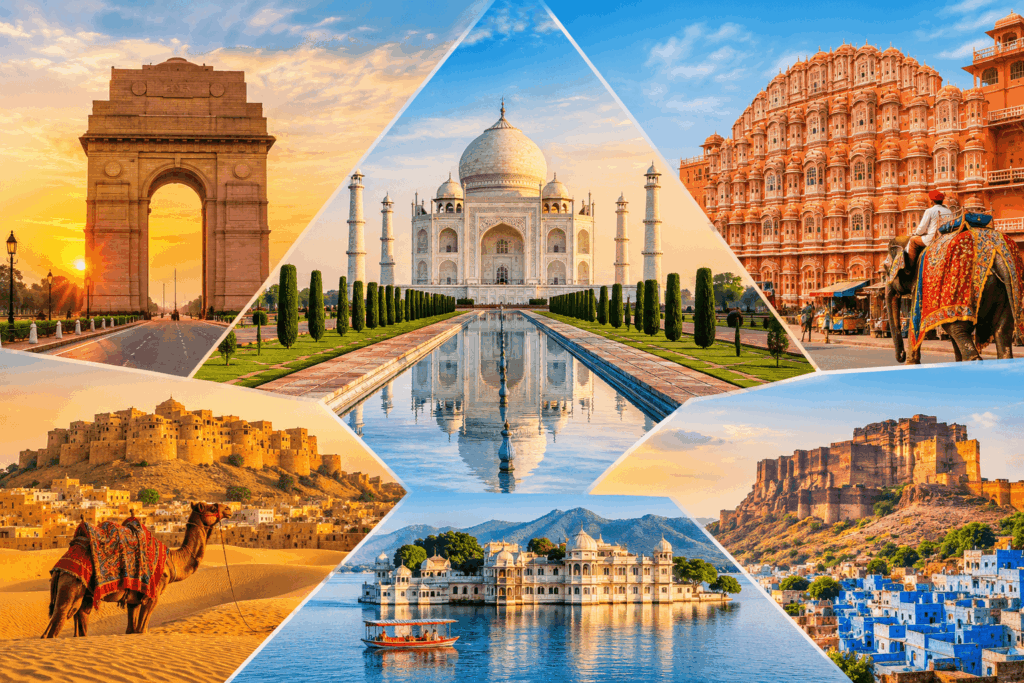
India’s Golden Triangle is one of the most popular travel circuits for discovering the country’s history, architecture, culture and traditions. When combined with the colorful landscapes and royal heritage of Rajasthan, the journey becomes an unforgettable experience. Rajasthan Golden Triangle Tours connect the historic cities of Delhi, Agra and Jaipur with the magnificent destinations of Rajasthan. From the iconic Taj Mahal and historic forts to colorful markets, royal palaces and traditional cuisine, this route offers an ideal introduction to North India. Whether you are visiting India for the first time, planning a family holiday or looking for a private luxury journey, a Rajasthan Golden Triangle tour can be customized around your interests and travel schedule. What Is the Golden Triangle of India? The Golden Triangle is a famous tourist circuit connecting: The three cities form a triangle on the map and are relatively well connected by road and rail. Adding Rajasthan destinations such as Jodhpur, Udaipur, Jaisalmer, Pushkar or Ranthambore allows travelers to experience much more of India’s royal culture and diverse landscapes. Why Choose a Rajasthan Golden Triangle Tour? A Rajasthan Golden Triangle journey combines India’s most famous landmarks with the unique character of Rajasthan. 1. Experience the Taj Mahal in Agra No trip through the Golden Triangle is complete without visiting the Taj Mahal. Built by Mughal emperor Shah Jahan, this world-famous monument is renowned for its white marble architecture and romantic history. Travelers can explore the Taj Mahal at sunrise, visit Agra Fort and discover the city’s Mughal heritage. 2. Discover Jaipur, the Pink City Jaipur is one of the highlights of any Rajasthan Golden Triangle itinerary. The city is famous for its royal palaces, magnificent forts and colorful bazaars. Top attractions include: Visitors can also explore Jaipur’s traditional markets for textiles, handicrafts, jewelry and local souvenirs. 3. Explore Historic Delhi Delhi combines ancient monuments, Mughal architecture and modern Indian culture. Depending on your itinerary, you can visit: Old Delhi is particularly interesting for travelers who want to experience traditional markets and authentic Indian street food. Best Places to Add to Your Rajasthan Golden Triangle Tour One of the biggest advantages of extending the Golden Triangle into Rajasthan is the variety of destinations you can include. Jodhpur – The Blue City Jodhpur is famous for the spectacular Mehrangarh Fort, blue-painted houses and beautiful views across the old city. The city’s royal heritage makes it an excellent addition to a Rajasthan itinerary. Udaipur – The City of Lakes Udaipur offers a completely different atmosphere with beautiful lakes, palaces and romantic landscapes. Popular attractions include: Udaipur is particularly popular with couples and travelers looking for a relaxed luxury experience. Jaisalmer – The Golden City For travelers who want to experience Rajasthan’s desert culture, Jaisalmer is an excellent choice. The city is known for: A night in a desert camp can add a memorable experience to a Golden Triangle and Rajasthan tour. Pushkar – Spiritual Rajasthan Pushkar is a peaceful town surrounding the sacred Pushkar Lake. Travelers can explore its temples, ghats and colorful streets while experiencing a different side of Rajasthan’s spiritual culture. If you visit during the famous Pushkar Camel Fair, the atmosphere becomes even more vibrant. Ranthambore – Wildlife and History Ranthambore National Park is an excellent option for travelers interested in wildlife. A safari offers the opportunity to explore one of India’s famous tiger habitats while enjoying the natural landscapes of Rajasthan. The historic Ranthambore Fort is another important attraction in the region. Sample Rajasthan Golden Triangle Tour Itinerary A Rajasthan Golden Triangle itinerary can be customized depending on your available time. Day 1 – Arrive in Delhi Arrive in Delhi and meet your travel representative. Depending on your arrival time, explore some of the city’s historic attractions. Day 2 – Delhi Sightseeing Explore Old and New Delhi, including major landmarks such as India Gate, Qutub Minar, Humayun’s Tomb and the Red Fort. Day 3 – Delhi to Agra Travel from Delhi to Agra. Visit Agra Fort and enjoy a guided exploration of the city’s Mughal heritage. Day 4 – Agra to Jaipur Visit the Taj Mahal in the morning before continuing towards Jaipur. On the way, you can explore Fatehpur Sikri, the historic Mughal city. Day 5 – Jaipur Sightseeing Spend a full day discovering Jaipur’s royal attractions. Visit Amber Fort, City Palace, Hawa Mahal and Jantar Mantar before exploring the local markets. Day 6 – Jaipur to Jodhpur Continue your Rajasthan journey towards Jodhpur. Explore the old city and enjoy the atmosphere around the famous blue houses. Day 7 – Jodhpur Sightseeing Visit Mehrangarh Fort, Jaswant Thada and other attractions before exploring the local markets. Day 8 – Jodhpur to Udaipur Travel towards Udaipur and enjoy the changing landscapes of Rajasthan. Day 9 – Udaipur Sightseeing Explore City Palace, Lake Pichola and other attractions around the City of Lakes. Day 10 – Departure Continue your journey according to your travel plans or extend your trip to another Rajasthan destination. Best Time for Rajasthan Golden Triangle Tours The best time to explore Delhi, Agra and Rajasthan is generally during the cooler months from October to March. During this period, daytime temperatures are more comfortable for sightseeing and outdoor activities. October to November A great period for exploring Rajasthan, with pleasant weather and colorful festivals. December to February These months are popular for sightseeing because of cooler temperatures. Winter mornings can be chilly, particularly in Delhi and Rajasthan. March March offers relatively comfortable weather and is also a popular time for experiencing Holi celebrations in India. April to June Temperatures can become very high, especially in Rajasthan. Travelers visiting during this period should plan sightseeing around the cooler parts of the day. July to September The monsoon brings a different character to Rajasthan, with greener landscapes and fewer tourists at some destinations. What Can You Experience on a Rajasthan Golden Triangle Tour? A well-planned itinerary can include much more than sightseeing. You can experience: Rajasthan Golden Triangle Tours for International Travelers For travelers visiting India
Golden Triangle Tour Guide: Explore Delhi, Agra & Jaipur
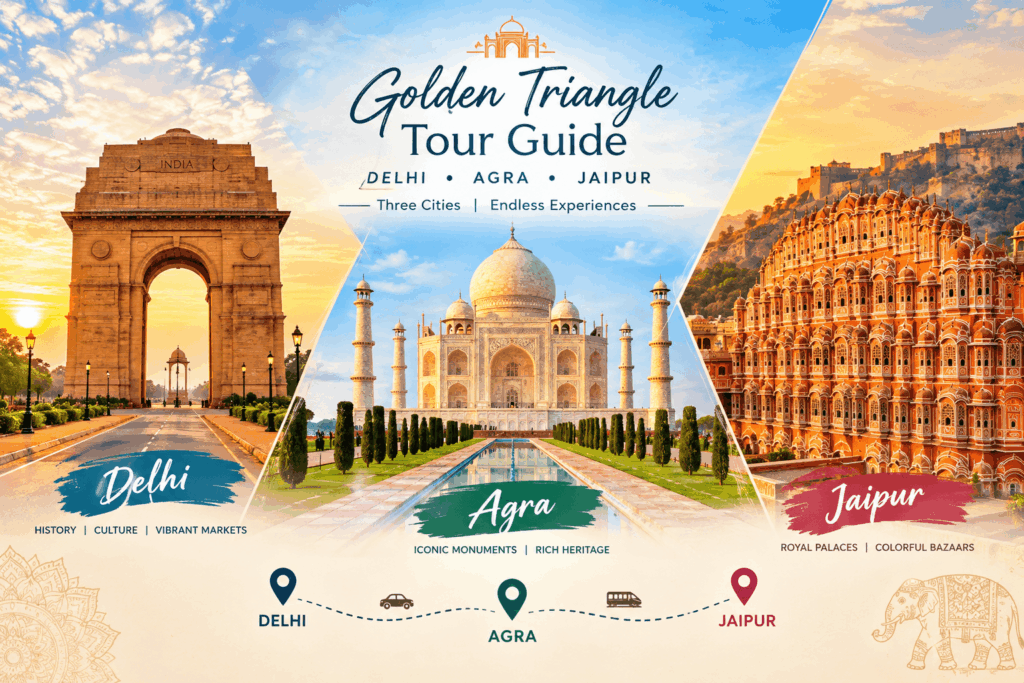
The Golden Triangle Tour is one of the most popular ways to experience India for the first time. Connecting Delhi, Agra and Jaipur, this classic travel route introduces visitors to India’s fascinating combination of history, architecture, culture, food and colorful traditions. The route is called the “Golden Triangle” because the three cities form a roughly triangular shape on the map. Each destination offers a completely different experience, making the journey an ideal introduction to northern India. From the historic streets of Old Delhi to the magnificent Taj Mahal in Agra and the royal palaces of Jaipur, a Golden Triangle Tour in India can bring together some of the country’s most memorable attractions in one itinerary. What Is the Golden Triangle Tour? The Golden Triangle generally connects three major Indian cities: Delhi → Agra → Jaipur Delhi is known for its historic monuments, markets and diverse culture. Agra is home to the world-famous Taj Mahal and impressive Mughal architecture. Jaipur, the Pink City of Rajasthan, is famous for its forts, palaces, colorful bazaars and royal heritage. The route can be completed in different durations depending on your interests and travel style. A short trip can cover the major highlights, while a longer itinerary allows more time for local experiences and lesser-known attractions. Why Choose a Golden Triangle Tour? A Golden Triangle Tour is popular because it offers a diverse travel experience without requiring visitors to travel across a huge part of India. During one journey, you can experience: It is particularly suitable for first-time visitors who want to experience several important aspects of India in one trip. Delhi – The Starting Point of the Golden Triangle Delhi is often the starting point for a Golden Triangle itinerary. India’s capital combines centuries of history with a modern urban lifestyle. The city is divided broadly into historic Old Delhi and the more modern areas of New Delhi. Places to Visit in Delhi India Gate India Gate is one of Delhi’s most recognizable landmarks. The monument stands along a broad ceremonial avenue and is particularly attractive during the evening. Red Fort The Red Fort is an important example of Mughal architecture and one of Delhi’s most significant historical attractions. Its massive red sandstone walls and historic buildings provide an insight into India’s Mughal past. Qutub Minar Qutub Minar is one of Delhi’s most famous monuments. The towering structure and surrounding archaeological complex make it an important stop for history and architecture enthusiasts. Humayun’s Tomb Humayun’s Tomb is another magnificent example of Mughal architecture. Its gardens and symmetrical design make it one of the most photographed historical sites in Delhi. Lotus Temple The Lotus Temple is known for its distinctive flower-like architecture. Visitors can enjoy the peaceful atmosphere and impressive modern design. Chandni Chowk For travelers interested in local culture and food, Chandni Chowk provides a completely different side of Delhi. The busy streets, traditional shops, street food and historic surroundings create an energetic Old Delhi experience. Agra – Home of the Taj Mahal From Delhi, the Golden Triangle continues to Agra. Agra is internationally famous for the Taj Mahal, but the city offers more than this iconic monument. Taj Mahal The Taj Mahal is the centerpiece of most Golden Triangle itineraries. Built during the Mughal era, the monument is renowned for its white marble architecture, intricate details and beautiful gardens. For many international travelers, watching the Taj Mahal during the early morning is one of the highlights of an India trip. Visitors should check the current opening days, ticket rules and entry regulations before planning their visit. Agra Fort Agra Fort is another major attraction in the city. The enormous red sandstone complex contains palaces, halls, courtyards and other historic structures associated with the Mughal period. The fort also provides impressive views toward the Taj Mahal from certain locations. Mehtab Bagh Located across the Yamuna River from the Taj Mahal, Mehtab Bagh is a popular place to appreciate the monument from a different perspective. It can be particularly appealing to travelers interested in photography and peaceful views. Fatehpur Sikri Fatehpur Sikri can be added between Agra and Jaipur depending on your itinerary. The historic city contains impressive Mughal-era architecture and monuments, making it an interesting addition for travelers who want to explore more of the region’s history. Jaipur – The Pink City The final major destination of the Golden Triangle is Jaipur. Jaipur is the capital of Rajasthan and introduces travelers to India’s royal heritage, colorful markets and distinctive architecture. The city is commonly called the Pink City because of the characteristic color of many buildings in its historic areas. Amber Fort Amber Fort is one of Jaipur’s most famous attractions. Located on a hill overlooking the surrounding landscape, the fort features courtyards, gateways, palaces and detailed decorative work. Allow enough time to explore the complex rather than simply stopping for a quick photograph. City Palace The City Palace provides an introduction to Jaipur’s royal history. The complex contains courtyards, museums, decorative architecture and collections associated with Jaipur’s former royal family. Hawa Mahal Hawa Mahal is one of Jaipur’s most recognizable landmarks. Its distinctive façade with numerous small windows makes it a favorite photography location and an important part of Jaipur’s historic cityscape. Jantar Mantar Jantar Mantar is a historic astronomical observatory containing large-scale astronomical instruments. It is particularly interesting for travelers who want to understand India’s historical contributions to astronomy and scientific observation. Jaipur Markets No visit to Jaipur is complete for many travelers without exploring its traditional markets. Visitors can find colorful textiles, handicrafts, jewelry, pottery and other traditional products. Popular shopping areas include markets around the old city. Suggested Golden Triangle Itinerary A comfortable Golden Triangle itinerary can be designed around 6 days and 5 nights. Day 1 – Arrival in Delhi Arrive in Delhi and check into your hotel. Depending on your arrival time, you can relax or explore a few nearby attractions. Day 2 – Delhi Sightseeing Explore major attractions such as: Overnight stay in Delhi. Day 3
Wildlife Safari at Ranthambore National Park: A Complete Travel Guide
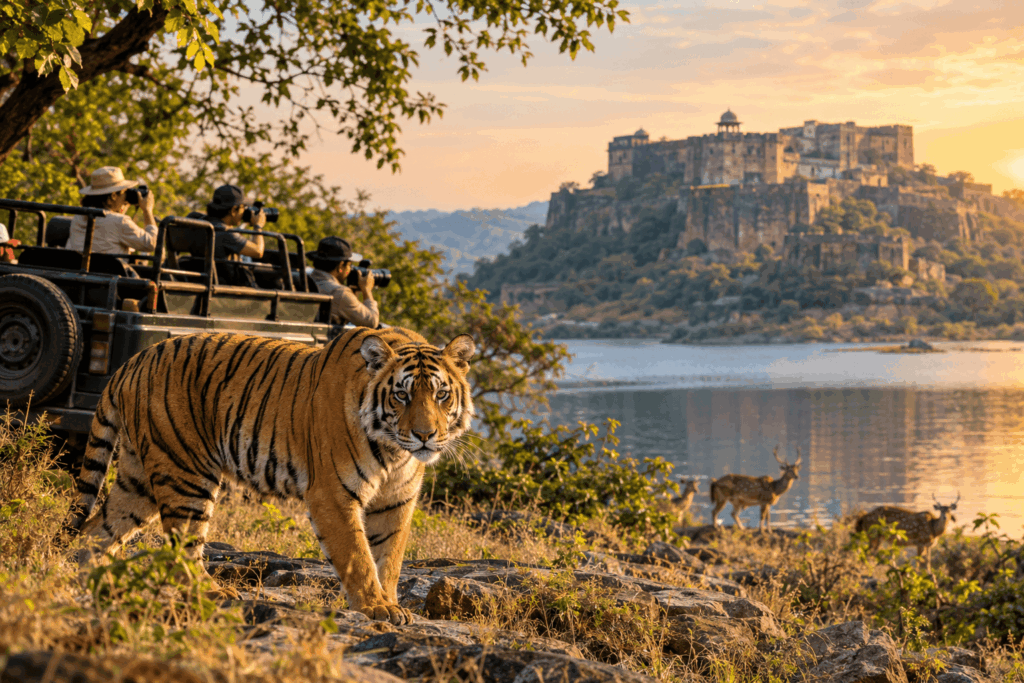
Ranthambore National Park is one of the most popular wildlife destinations in India and a fascinating place to experience the country’s natural beauty. Located in Rajasthan, the park is particularly famous for its Bengal tigers, but its wildlife experience goes far beyond tiger sightings. A wildlife safari at Ranthambore National Park takes visitors through dry forests, open grasslands, lakes, ancient ruins, and dramatic landscapes where wild animals can often be spotted in their natural surroundings. Whether you are visiting India for the first time, planning a Rajasthan holiday, or looking for an exciting wildlife experience, Ranthambore can be an excellent addition to your itinerary. Where Is Ranthambore National Park? Ranthambore National Park is located in Sawai Madhopur district of Rajasthan. Its location makes it relatively convenient to combine with popular Rajasthan destinations such as Jaipur, Pushkar, Jodhpur, Udaipur and Agra. The park is also known for the historic Ranthambore Fort, which overlooks parts of the surrounding landscape and adds a unique historical dimension to a wildlife trip. The combination of wildlife, history and Rajasthan’s landscape makes Ranthambore different from many other national parks in India. Why Choose a Wildlife Safari at Ranthambore? The main attraction of Ranthambore is its Bengal tiger population. However, visitors should remember that wildlife sightings are never guaranteed because animals move freely through their natural habitat. Apart from tigers, a safari may offer opportunities to see: The park’s lakes, watering holes and forest areas create different opportunities for wildlife observation depending on the season and conditions. Ranthambore Safari Experience A typical safari begins early in the morning or later in the afternoon. As the vehicle moves through the forest, your guide and driver help identify animal tracks, birds and other signs of wildlife. The excitement of a Ranthambore safari is not only about finding a tiger. Sometimes the experience comes from quietly watching a herd of deer, seeing a crocodile near a lake, spotting a bird of prey or following fresh animal tracks. Patience is an important part of wildlife tourism. A safari is best enjoyed as an opportunity to observe nature rather than as a guaranteed tiger-spotting trip. Jeep Safari vs Canter Safari Visitors generally have two common vehicle options for exploring Ranthambore. Jeep Safari A jeep safari usually provides a smaller group experience and can make the journey feel more personal. It is particularly attractive to photographers, wildlife enthusiasts and travelers who prefer a smaller vehicle. Canter Safari Canter safaris use larger open vehicles and accommodate more visitors. They can be a practical option for families, groups and travelers looking for another way to explore the park. The experience can vary depending on the safari zone, season, weather and wildlife activity. Best Time for Ranthambore Wildlife Safari The best period for a wildlife safari depends on what you want to experience. The cooler months are generally comfortable for exploring Rajasthan and can provide pleasant conditions for safari activities. As temperatures rise toward summer, animals may become more active around available water sources, although daytime temperatures can be quite high. For travelers combining Ranthambore with a larger Rajasthan itinerary, the cooler travel season can be particularly convenient. Before planning your trip, check the current park opening periods, safari availability and seasonal restrictions. Best Time of Day for a Safari Ranthambore generally offers morning and afternoon safari experiences. Morning safaris provide a fresh and peaceful atmosphere, while afternoon safaris offer a different light and landscape experience. Wildlife activity can change throughout the day, so there is no single safari time that guarantees a tiger sighting. If wildlife is a major priority during your trip, consider planning more than one safari rather than relying on a single excursion. Ranthambore Safari Zones Ranthambore is divided into different safari zones. Wildlife movement varies from one area to another, and animal sightings can never be predicted with certainty. Some zones may become particularly popular because of recent wildlife activity, but this should not be interpreted as a guarantee of seeing a tiger. Your safari operator or local guide can provide information about the zone assigned to your safari and current conditions. Ranthambore for Wildlife Photography Ranthambore is an exciting destination for wildlife photographers. The landscape provides opportunities to photograph: A telephoto lens can be useful for photographing animals from a safe distance. Most importantly, visitors should follow the instructions of their safari guide and maintain a respectful distance from wildlife. Ranthambore Fort and Wildlife One of the most distinctive features of Ranthambore is the presence of the historic Ranthambore Fort within the surrounding landscape. The fort adds an impressive historical backdrop to the national park. Seeing ancient architecture surrounded by forests and wildlife creates a travel experience that combines two of Rajasthan’s major attractions: heritage and nature. Travelers interested in history can therefore include the fort alongside their wildlife safari. Tips for Your Ranthambore Safari To make your safari more comfortable and enjoyable, keep these tips in mind: 1. Book Your Safari in Advance Safari permits and vehicle availability can be limited, especially during busy travel periods. Advance planning is recommended. 2. Carry Binoculars Binoculars can help you observe birds and animals that are farther away. 3. Wear Comfortable Clothing Choose lightweight and comfortable clothing suitable for outdoor travel. Neutral shades can also be more practical for wildlife observation. 4. Protect Yourself From the Sun Carry sunglasses, sunscreen and a hat, particularly during warmer months. 5. Carry Water Keep drinking water with you and stay hydrated. 6. Follow Safari Rules Do not shout, feed animals or attempt to attract wildlife. Always follow the instructions of your guide and driver. 7. Be Patient Wildlife sightings depend on nature. Spending time quietly observing the environment is an important part of the safari experience. How Many Safaris Should You Take? If your main objective is wildlife viewing, consider taking multiple safaris. Each safari can be different. The route, weather, animal movement and light conditions may change from one excursion to another. Multiple game drives can therefore give you a broader experience of
Places to Visit in India During Summer Vacation
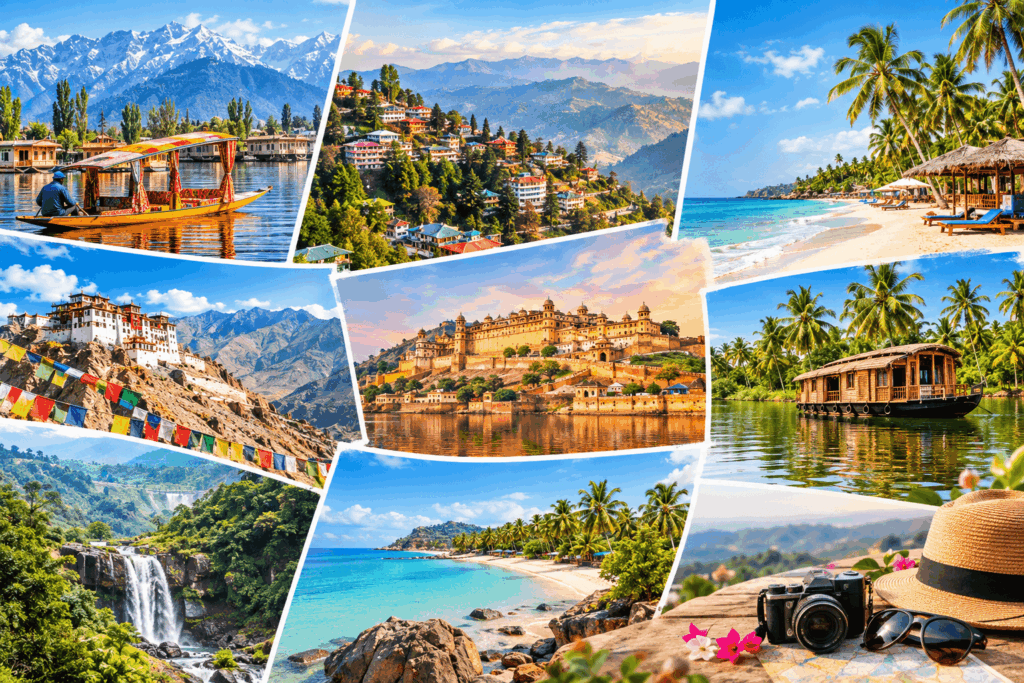
Summer in India can be hot, but that does not mean you have to stay away from the country during the warmer months. From the cool Himalayan mountains to peaceful hill stations, lush valleys and refreshing coastal destinations, India has plenty of places that are ideal for a summer vacation. If you are planning an India holiday between April and June, choosing the right destination can make your trip much more comfortable and enjoyable. Whether you are looking for mountains, adventure, beaches, wildlife or cultural experiences, here are some of the best places to visit in India during summer vacation. Best Places to Visit in India During Summer 1. Kashmir – For Beautiful Mountains and Lakes Kashmir is one of India’s most popular summer destinations. Often associated with snow-covered mountains and beautiful valleys, Kashmir becomes particularly attractive during the warmer months when the landscape is green and pleasant. Popular places to explore include: A traditional Shikara ride on Dal Lake, surrounded by mountain scenery, is one of the experiences that makes a Kashmir holiday memorable. Kashmir is suitable for travelers looking for scenic landscapes, relaxation, photography and outdoor experiences. 2. Himachal Pradesh – Mountains, Valleys and Adventure Himachal Pradesh is another excellent choice for a summer vacation in India. The state’s mountain towns offer cooler temperatures and a wide variety of experiences. Popular destinations include: Shimla The former summer capital of British India, Shimla combines colonial architecture, mountain scenery and pleasant weather. Manali Manali is popular among couples, families and adventure travelers. Visitors can enjoy mountain landscapes, local markets and outdoor activities. Dharamshala Dharamshala offers a combination of Himalayan scenery and Tibetan cultural influences. Nearby McLeod Ganj is particularly popular with travelers. 3. Ladakh – For an Adventure Summer Holiday For travelers looking for something more adventurous, Ladakh is one of the most fascinating summer destinations in India. Located in the high Himalayas, Ladakh is known for: Summer is one of the main travel seasons for Ladakh because many high-altitude routes become accessible. A Ladakh journey is particularly suitable for travelers who enjoy adventure, photography and dramatic landscapes. 4. Kerala – For a Relaxing Tropical Escape Kerala offers a completely different summer experience. Known for its backwaters, beaches, greenery and traditional culture, Kerala is ideal for travelers who want a slower-paced holiday. Popular destinations include: Munnar Munnar’s tea plantations, rolling hills and greenery make it a popular hill destination. Alleppey A houseboat journey through Kerala’s backwaters offers travelers an opportunity to experience a quieter side of India. 5. Goa – For Beaches and Coastal Experiences Goa is one of India’s best-known beach destinations. During summer, travelers can enjoy the state’s coastal scenery, Portuguese-influenced heritage, local cuisine and relaxed atmosphere. Popular places include: Goa can be a good choice for travelers who want to combine beaches with cultural sightseeing and local food. 6. Sikkim – For Himalayan Scenery Sikkim is a beautiful Himalayan state in northeastern India. The region is known for mountain views, monasteries, valleys and colorful local culture. Popular destinations include: Gangtok is an excellent base for exploring the region, while North Sikkim offers spectacular mountain landscapes. 7. Meghalaya – For Waterfalls and Green Landscapes Meghalaya is one of India’s most naturally beautiful northeastern states. During the warmer months, travelers can explore its forests, waterfalls, caves and villages. Popular destinations include: The region is especially interesting for travelers who enjoy nature, hiking and photography. 8. Uttarakhand – For Mountains and Spiritual Journeys Uttarakhand offers a combination of Himalayan scenery, adventure and spiritual destinations. Popular places include: Rishikesh Rishikesh is known for yoga, spirituality, the Ganges and adventure activities such as river rafting. Nainital Nainital is a popular hill station built around a beautiful mountain lake. Jim Corbett Wildlife enthusiasts can explore Jim Corbett National Park and look for opportunities to see India’s diverse wildlife. 9. Andaman and Nicobar Islands – For a Tropical Holiday If you want beaches, clear water and island scenery, the Andaman and Nicobar Islands are worth considering. Popular attractions include: The islands are particularly appealing to travelers interested in beaches, snorkeling, diving and marine experiences. 10. Darjeeling – For Tea Gardens and Mountain Views Darjeeling is one of India’s classic hill stations. The town is famous for its tea plantations, colonial heritage and views of the Himalayas. Visitors can enjoy: A visit to Darjeeling can easily be combined with other destinations in West Bengal and northeastern India. 11. Ooty – A Classic South Indian Hill Station Located in Tamil Nadu, Ooty is a popular summer retreat in South India. The destination is known for its: Nearby Coonoor can also be included in a longer Nilgiri Hills itinerary. 12. Coorg – For Coffee Plantations and Nature Coorg, also known as Kodagu, is a peaceful destination in Karnataka surrounded by forests, hills and coffee plantations. It is suitable for travelers looking for: Coorg can be combined with destinations such as Mysore and Bengaluru. Which Indian Destination Is Right for Your Summer Vacation? The best destination depends on the kind of experience you want. Travel Experience Recommended Destinations Cool mountains Kashmir, Himachal, Sikkim Adventure Ladakh, Himachal, Uttarakhand Beaches Goa, Andaman Islands, Kerala Wildlife Uttarakhand, Kerala Tea gardens Darjeeling, Munnar, Ooty Nature & waterfalls Meghalaya, Kerala, Coorg Spiritual experiences Rishikesh, Uttarakhand Romantic holiday Kashmir, Himachal, Kerala Family vacation Himachal, Kerala, Kashmir Luxury escape Kashmir, Kerala, Rajasthan Tips for Traveling in India During Summer India’s summer can be very different from one region to another. While northern plains and central India can experience intense heat, Himalayan and hill destinations can be considerably cooler. Keep these tips in mind when planning your trip. Choose Your Destination Carefully If you do not enjoy extreme heat, consider Himalayan destinations or hill stations rather than the hottest parts of northern and central India. Book Hotels and Transport Early Popular summer destinations can become busy during school holidays and peak travel periods. Stay Hydrated Carry drinking water when sightseeing and take regular breaks, particularly when visiting warmer regions. Plan Outdoor Activities Wisely For warmer
Holi with Golden India Travels: Experience India’s Festival of Colors
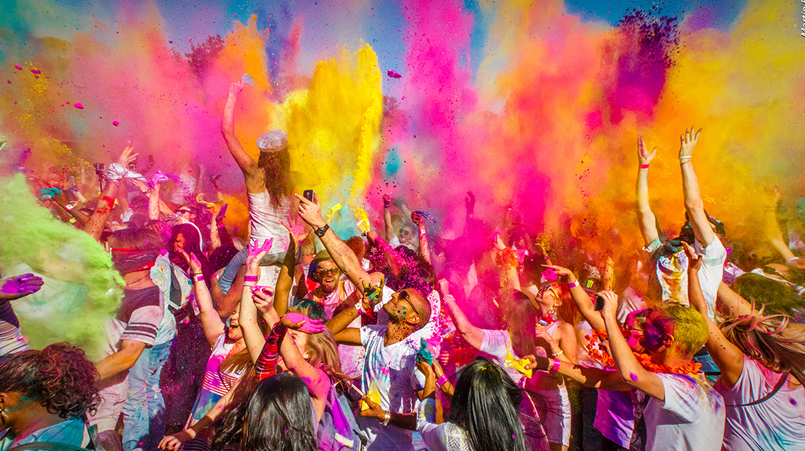
Holi is one of India’s most vibrant and joyful festivals. Known around the world as the Festival of Colors, Holi brings people together with colored powders, music, traditional sweets, dancing and celebrations that fill streets and communities with energy. For international travelers, experiencing Holi is an opportunity to see a different side of India — one where ancient traditions, local culture and modern celebrations come together. With Golden India Travels, you can experience Holi as part of a carefully planned India journey, combining the festival with some of the country’s most fascinating cities, monuments, markets and cultural experiences. What Is Holi? Holi is a Hindu festival traditionally associated with the arrival of spring and the triumph of good over evil. The festival generally takes place in February or March, depending on the Hindu lunar calendar. Celebrations take place over one or more days, with the most recognizable tradition being the playful throwing of colored powders and water. The evening before the main celebration is traditionally marked by Holika Dahan, when communities gather around a ceremonial bonfire. The following day is celebrated with colors, music, food and social gatherings. Why Experience Holi in India? Holi is celebrated in many countries today, but experiencing the festival in India allows travelers to discover its cultural roots and regional traditions. During Holi, you may encounter: Every region celebrates Holi differently, making it possible to choose an experience that matches your travel style. Best Places to Experience Holi in India 1. Mathura and Vrindavan Mathura and Vrindavan in Uttar Pradesh are among the most famous destinations associated with Holi. The region has strong connections with Lord Krishna, and Holi celebrations here can continue for several days. Vrindavan is particularly known for colorful celebrations around its temples, while nearby Barsana is famous for its distinctive Lathmar Holi tradition. For travelers interested in India’s spiritual and cultural heritage, this region offers a very different Holi experience. 2. Jaipur, Rajasthan Jaipur combines Holi celebrations with the architectural beauty and royal heritage of Rajasthan. Visitors can explore magnificent forts, palaces and colorful bazaars before experiencing the festive atmosphere of Holi. A Jaipur Holi trip can also be combined with destinations such as Agra and Delhi, creating a classic Golden Triangle journey. 3. Udaipur, Rajasthan Udaipur offers a more regal setting for experiencing Holi. Known for its lakes, palaces and historic architecture, the city provides an impressive backdrop for cultural celebrations. Travelers can combine Holi with sightseeing around City Palace, Lake Pichola and the historic streets of the old city. 4. Pushkar, Rajasthan Pushkar is well known among international travelers for its lively atmosphere, spiritual heritage and colorful streets. During Holi, the town becomes particularly energetic, with music, colors and celebrations attracting visitors from different parts of India and around the world. If you enjoy a lively festival atmosphere, Pushkar can be an interesting addition to a Rajasthan itinerary. 5. Delhi India’s capital offers many different ways to experience Holi. Travelers can combine festival experiences with sightseeing at places such as the Red Fort, India Gate, Humayun’s Tomb and Qutub Minar. Delhi can also work as a convenient starting point for a wider India itinerary. Holi and the Golden Triangle One of the easiest ways for international travelers to combine Holi with sightseeing is through an India Golden Triangle tour. The traditional Golden Triangle connects: Delhi → Agra → Jaipur This route offers a combination of history, architecture, culture and local experiences. During a Holi-focused itinerary, travelers can experience the festival while also visiting iconic attractions such as: The itinerary can also be extended to include Udaipur, Pushkar, Jodhpur, Jaisalmer or Varanasi, depending on the length of your trip. What Is Holi Like for International Travelers? Holi can be an unforgettable experience, but it is also a very energetic festival. Expect people to throw colored powder, apply colors to faces and clothes, dance to music and celebrate together. If you are visiting India for the first time, it is useful to understand that Holi can vary considerably between organized cultural events, family celebrations, temples and busy public areas. A planned experience can make it easier to enjoy the festival while still having time for sightseeing and relaxation. What Should You Wear for Holi? Choose comfortable clothes that you don’t mind getting stained. A few practical suggestions: Most importantly, participate respectfully and follow the guidance of your local host or tour guide. Holi Food You Should Try Holi is also a celebration of food. Depending on the region, travelers may encounter traditional festive dishes and sweets such as: Food is an important part of understanding India’s festivals, and trying local specialties can add another dimension to your Holi experience. Holi Travel Tips for First-Time Visitors Plan Your Accommodation Early Holi is a popular travel period, particularly in destinations such as Mathura, Vrindavan, Jaipur and Pushkar. Booking hotels and transportation in advance can make your journey easier. Keep Your Itinerary Flexible Festival celebrations can affect traffic and local transportation. Allow extra time when traveling between attractions and cities. Protect Your Electronics Color powder and water can quickly damage phones, cameras and other electronic equipment. Use waterproof covers and avoid carrying unnecessary electronics into crowded celebrations. Respect Local Traditions Holi is both a cultural and religious festival. Ask before applying colors to someone, particularly when participating in less tourist-oriented celebrations. Travel With Local Guidance A knowledgeable local guide can help you understand the traditions, choose suitable celebration areas and navigate busy festival locations. Combine Holi With a Complete India Journey One of the advantages of traveling during Holi is that the festival can become part of a larger India holiday. For example: Delhi → Agra → Jaipur → Pushkar → Udaipur Or: Delhi → Mathura → Vrindavan → Agra → Jaipur Or for a longer Rajasthan journey: Delhi → Jaipur → Pushkar → Jodhpur → Udaipur Each route offers a different combination of culture, history, architecture and festival experiences. Experience Holi With Golden India Travels At Golden India Travels, we help travelers
North India Tour: A Journey Through Heritage, Culture and Incredible Landscapes
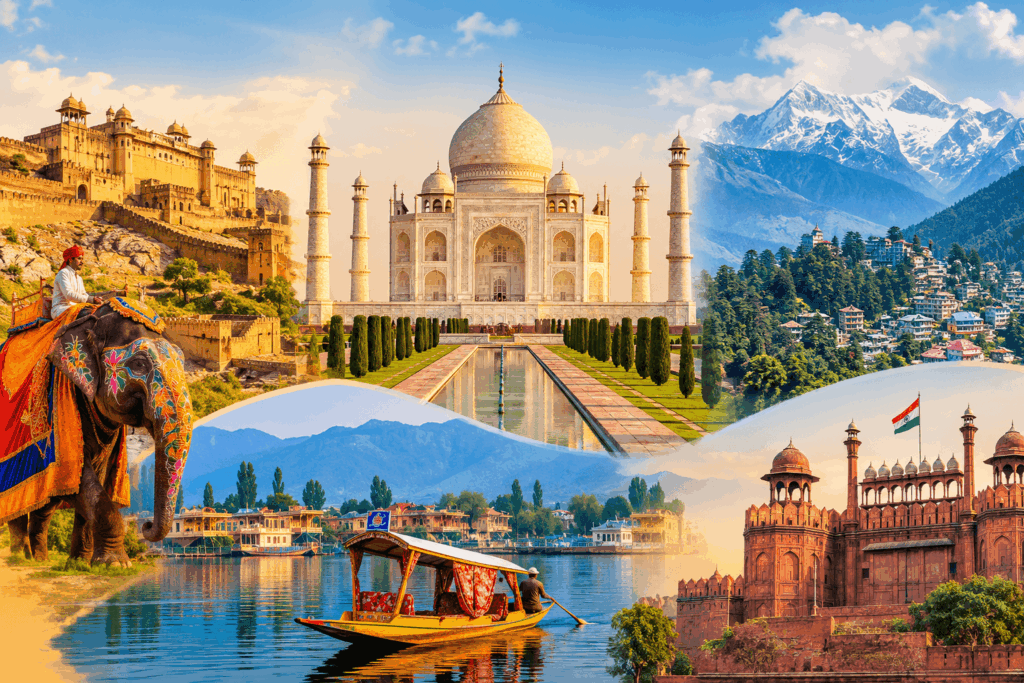
North India is a fascinating part of the country where ancient history, colorful traditions, spiritual experiences, royal heritage and spectacular landscapes come together. From the historic streets of Delhi and the magnificent Taj Mahal in Agra to the royal palaces of Jaipur and the spiritual atmosphere of Varanasi, a North India Tour offers travelers an opportunity to experience many different sides of India in one journey. For international travelers, North India can be an excellent introduction to India’s history and cultural diversity. The region includes famous heritage cities, pilgrimage destinations, Himalayan landscapes, traditional markets and some of India’s most celebrated monuments. Why Choose a North India Tour? North India offers remarkable variety within relatively accessible travel routes. Travelers can combine major heritage destinations with cultural experiences, spiritual cities and mountain escapes. Delhi, Agra and Jaipur form the well-known Golden Triangle circuit. Delhi Tourism describes Delhi as a city where its historical heritage and modern character exist side by side, while Agra is recognized for major Mughal-era monuments including the Taj Mahal, Agra Fort and Fatehpur Sikri. A longer North India itinerary can also include destinations such as Varanasi, Amritsar, Haridwar, Rishikesh, Shimla, Manali and other Himalayan destinations. Best Places to Visit on a North India Tour 1. Delhi – Where India’s Past Meets the Present Delhi is often the starting point for a North India holiday. The capital combines centuries of history with modern city life, making it an interesting introduction to India. Visitors can explore attractions such as: Delhi Tourism highlights Qutub Minar, Red Fort and Humayun’s Tomb among the city’s major heritage attractions. Old Delhi is particularly interesting for travelers who want to experience traditional markets, historic architecture and local food. 2. Agra – Home of the Taj Mahal No North India Tour is complete without visiting Agra. Located in Uttar Pradesh, Agra is famous around the world for the Taj Mahal. The city also has several other important historical attractions, including Agra Fort and Fatehpur Sikri. The Government of Uttar Pradesh identifies the Taj Mahal, Agra Fort and Fatehpur Sikri as UNESCO World Heritage Sites. Top attractions include: The Taj Mahal is especially memorable at sunrise when the changing light creates different shades across its white marble exterior. 3. Jaipur – Discover Rajasthan’s Royal Heritage Jaipur, popularly known as the Pink City, is another major destination in North India’s heritage circuit. The city was established in 1727 by Maharaja Sawai Jai Singh II and is one of the three destinations of India’s famous Golden Triangle along with Delhi and Agra. Some of the most popular attractions include: Beyond monuments, Jaipur is also known for traditional handicrafts, textiles, jewelry, colorful bazaars and Rajasthani cuisine. 4. Varanasi – Experience India’s Spiritual Side Varanasi is one of the most distinctive destinations in North India. Located on the banks of the River Ganges, the city is known for its ghats, temples, spiritual traditions and evening Ganga Aarti. Travelers can explore: A morning boat ride provides a memorable way to experience the ghats and daily life along the river. 5. Amritsar – Culture, History and Sikh Heritage Amritsar in Punjab offers another important cultural experience. The Golden Temple is the city’s most famous attraction and an important pilgrimage destination for Sikhs. Travelers can also visit Jallianwala Bagh and experience the atmosphere of the city’s markets and traditional Punjabi food. Amritsar can be added to a longer North India itinerary alongside Delhi and other northern destinations. 6. Haridwar and Rishikesh – Spirituality and Adventure For travelers interested in spirituality, yoga and outdoor experiences, Haridwar and Rishikesh make an excellent addition to a North India itinerary. Haridwar is known for its sacred connection with the River Ganges, while Rishikesh is associated with yoga, meditation, ashrams and adventure activities. Depending on the itinerary, travelers can experience: 7. Himalayan Destinations – Mountains and Scenic Landscapes North India also provides access to spectacular mountain destinations. Shimla, Manali, Dharamshala and other Himalayan destinations offer a completely different experience from the heritage cities of the plains. Travelers can enjoy: A combination of heritage cities and Himalayan destinations can create a varied itinerary for travelers who want to experience different landscapes during one trip. Best North India Tour Itineraries Classic Golden Triangle Delhi – Agra – Jaipur This is one of the most popular short North India routes. It combines the capital’s historic attractions, Agra’s Mughal heritage and Jaipur’s royal architecture. Delhi Tourism also lists the Golden Triangle as a Delhi–Agra–Jaipur circuit. Golden Triangle with Varanasi Delhi – Agra – Jaipur – Varanasi This route adds a spiritual and cultural dimension to the traditional Golden Triangle. North India Heritage & Spiritual Tour Delhi – Agra – Jaipur – Haridwar – Rishikesh – Varanasi This itinerary combines heritage monuments, royal Rajasthan, sacred cities and the River Ganges. North India & Himalayas Delhi – Agra – Jaipur – Shimla/Manali This option is suitable for travelers who want to combine India’s famous historical attractions with mountain scenery. Best Time for a North India Tour The ideal travel period depends on the destinations included in your itinerary. For many travelers, the cooler months from October to March are comfortable for exploring major heritage cities such as Delhi, Agra and Jaipur. The Himalayan region has a different seasonal pattern, so the best time depends on whether you are interested in sightseeing, trekking, greenery or winter experiences. Before booking, travelers should check the weather conditions for each destination included in their itinerary. What to Experience Beyond Sightseeing A North India holiday is about more than visiting monuments. Try to include local experiences such as: These experiences can help travelers understand the culture behind the destinations rather than simply checking attractions off a list. North India Travel Tips for First-Time Visitors Plan Your Route Carefully North India covers a large geographical area. Avoid trying to visit too many destinations in a short period. A well-planned itinerary allows enough time for sightseeing, rest and unexpected travel delays. Allow Extra Time for Major Cities Delhi, Agra, Jaipur and
All-Time Best Beaches in Goa: A Complete Beach Lover’s Guide
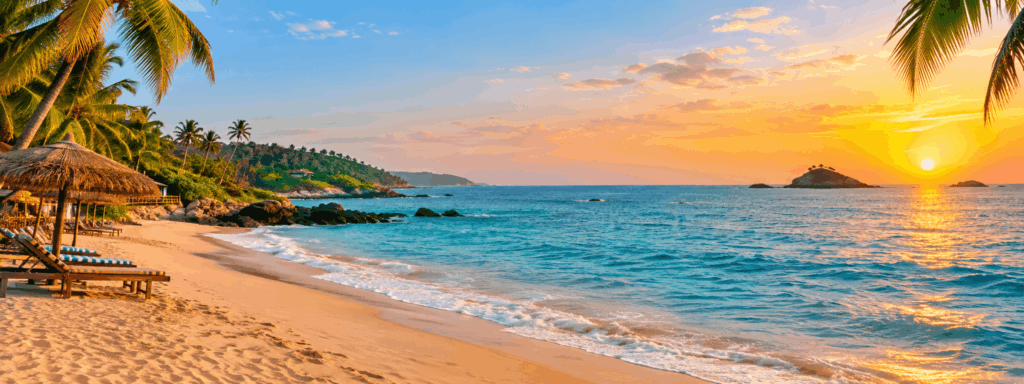
Goa is famous for its golden coastline, palm-lined shores, relaxed beach cafés and unforgettable sunsets. Whether you want a peaceful place to unwind, a lively beach party, water sports or a romantic sunset, Goa has a beach for every kind of traveler. With so many beaches to choose from, deciding where to go can be difficult. From the popular shores of Baga and Calangute to the quieter beauty of Palolem and Agonda, each beach has its own personality. In this guide, we explore some of the best beaches in Goa, what makes each one special, the activities you can enjoy and when to visit. Best Beaches in Goa at a Glance Some of the most popular beaches to include in your Goa itinerary are: Now, let’s explore what makes each beach worth visiting. 1. Baga Beach – For Nightlife and Entertainment Baga Beach is one of the most famous beaches in Goa and a popular choice for travelers looking for a lively atmosphere. The beach is surrounded by restaurants, beach shacks, cafés, shops and nightlife venues. During the day, visitors can enjoy the sea and water activities, while evenings become more energetic with music, food and entertainment. Best for: Nightlife, water sports, beach shacks and first-time visitors. 2. Calangute Beach – The Queen of Beaches Often called the Queen of Beaches, Calangute is one of the most visited beaches in Goa. Its wide sandy shoreline makes it a convenient choice for travelers who want easy access to restaurants, shops, hotels and activities. The beach can become busy during peak season, but that lively atmosphere is exactly what many visitors enjoy. Best for: Families, shopping, water sports and a lively beach experience. 3. Anjuna Beach – Bohemian Goa Anjuna has a completely different personality from the busier beaches of North Goa. Known for its rocky shoreline, relaxed atmosphere, cafés and vibrant local culture, Anjuna has long attracted backpackers and travelers looking for something different. The famous Anjuna Flea Market is another reason visitors include this area in their Goa itinerary. Best for: Backpackers, shopping, cafés, sunsets and alternative Goa experiences. 4. Vagator Beach – Dramatic Cliffs and Sunsets Vagator is known for its dramatic red cliffs, rocky coastline and beautiful views over the Arabian Sea. It is particularly popular around sunset when the coastline takes on a golden glow. The surrounding area also has restaurants, cafés and nightlife options, making Vagator a good base for exploring North Goa. Best for: Sunset views, photography, cafés and nightlife. 5. Candolim Beach – Relaxed and Convenient Candolim offers a more relaxed beach experience while still being close to many restaurants and hotels. The long sandy shoreline is ideal for an evening walk, while the surrounding area provides plenty of dining and accommodation choices. It is a good option for travelers who want to stay close to North Goa’s attractions without being directly in the busiest nightlife areas. Best for: Couples, families, beach walks and relaxed holidays. 6. Morjim Beach – Peaceful Coastal Escape Morjim is known for its quieter atmosphere and beautiful coastline. The beach is also associated with olive ridley turtle nesting, although visitors should always follow local conservation rules and avoid disturbing protected areas. The relaxed surroundings make Morjim a good choice for travelers who want to slow down and enjoy a quieter side of Goa. Best for: Couples, nature lovers and peaceful beach holidays. 7. Arambol Beach – A Different Side of Goa Arambol has a laid-back and artistic atmosphere. The beach attracts independent travelers and visitors interested in music, yoga, cafés and local experiences. The surrounding area offers a more relaxed alternative to the commercial atmosphere found around some of the major North Goa beaches. Best for: Backpackers, yoga, music and long beach stays. 8. Palolem Beach – One of South Goa’s Most Beautiful Beaches Palolem is one of the most popular beaches in South Goa. Its curved coastline, coconut palms and calm-looking surroundings create the classic tropical beach setting many travelers imagine when planning a Goa holiday. Visitors can enjoy kayaking, boat trips, beach cafés and peaceful walks along the shore. Best for: Couples, families, photography and relaxing holidays. 9. Agonda Beach – Quiet and Scenic If you prefer a peaceful beach away from large crowds, Agonda is worth considering. The long stretch of sand and relaxed surroundings make it ideal for travelers who want to spend their holiday reading, walking along the beach or simply enjoying the coastal scenery. Agonda is particularly appealing for slow travel and longer stays. Best for: Peace, relaxation, couples and nature lovers. 10. Colva Beach – A Classic South Goa Experience Colva is one of the most well-known beaches in South Goa. Its long stretch of white sand and easy accessibility make it popular with both domestic and international travelers. The beach is surrounded by restaurants, cafés and accommodation, making it a convenient base for exploring nearby parts of South Goa. Best for: Families, beach walks and convenient stays. 11. Butterfly Beach – A Hidden Coastal Gem Butterfly Beach is smaller and more secluded than many of Goa’s famous beaches. Its natural setting and surrounding greenery make it attractive to travelers looking for a quieter coastal experience. Depending on local conditions, visitors may reach the beach by boat or through a walking route. Best for: Photography, nature and secluded beach experiences. 12. Miramar Beach – Close to Panaji Miramar Beach is located near Panaji and is convenient for travelers staying in or around Goa’s capital. It is a good place for an evening walk and sunset, particularly if you want to combine a beach visit with exploring Panaji and nearby attractions. Best for: Sunset walks, short visits and combining beaches with sightseeing. North Goa vs South Goa Beaches One of the first decisions travelers make when planning a Goa holiday is whether to stay in North Goa or South Goa. North Goa North Goa generally offers more nightlife, restaurants, beach clubs, shopping and entertainment. Popular beaches include: Choose North Goa if you