
Best Time to Visit Rajasthan: Weather, Festivals & Travel Tips
Rajasthan is the kind of place that stays with you long after the journey is over.
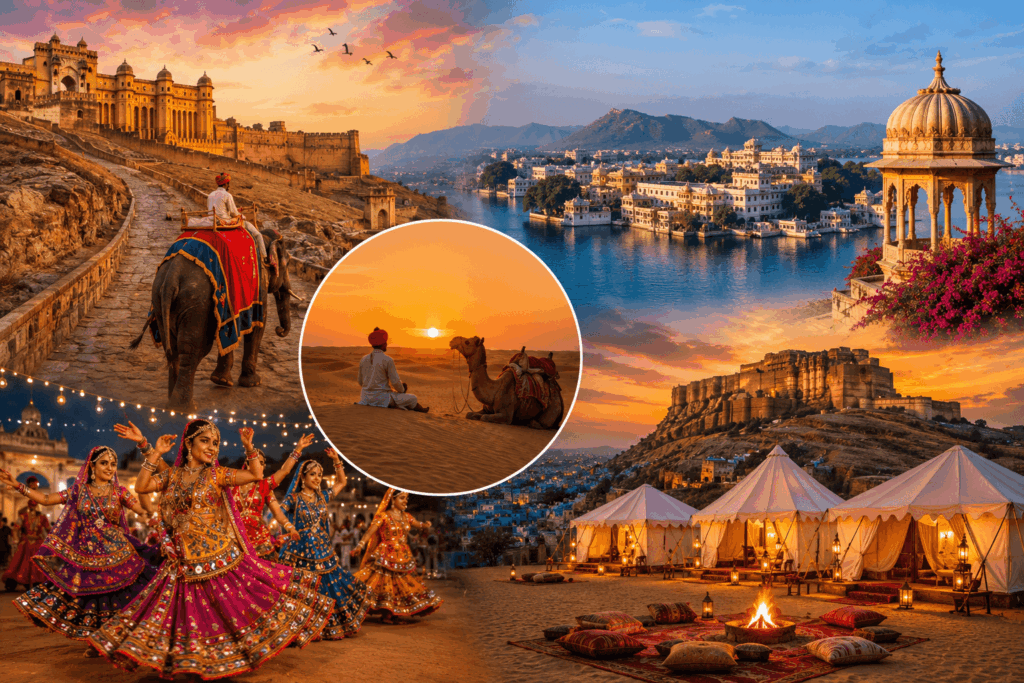
It could be the first glimpse of a grand fort rising above a city, the golden colour of the Thar Desert at sunset, a quiet morning beside a lake in Udaipur, or the sound of folk music drifting through a village. With its royal palaces, colourful markets, desert landscapes and vibrant traditions, Rajasthan offers something different in every season.
But choosing the best time to visit Rajasthan can make a big difference to your experience. The state is huge, and its weather changes considerably throughout the year. Winter is generally the most comfortable season for sightseeing, while the monsoon brings a greener and quieter side of Rajasthan. Summer, on the other hand, can be extremely hot in many parts of the state.
So, when should you visit Rajasthan?
Let’s look at the weather, festivals and practical travel tips to help you plan the perfect Rajasthan trip.
Best Time to Visit Rajasthan at a Glance
For most travellers, October to March is the best time to visit Rajasthan.
During these months, the weather is generally comfortable for exploring forts, palaces, markets and desert destinations. Winter also coincides with several important cultural events and festivals across the state.
| Season | Months | Weather | Best For |
|---|---|---|---|
| Winter | October–March | Pleasant to cool | Sightseeing, desert trips, festivals |
| Summer | April–June | Very hot | Mount Abu, fewer crowds |
| Monsoon | July–September | Warm with rain | Udaipur, Bundi, greenery |
| Early Autumn | October | Comfortable | Heritage trips and festivals |
Let’s explore each season in more detail.
Rajasthan in Winter: October to March
If you are visiting Rajasthan for the first time, winter is usually the safest choice.
The days are generally pleasant, making it much easier to explore outdoor attractions. Rajasthan Tourism lists winter as the state’s best season for travel, with many areas experiencing temperatures of roughly 10°C to 30°C during this period. Nights can be considerably cooler, especially in desert areas.
This is also when Rajasthan feels especially lively. Festivals, fairs and cultural events take place across the state, giving visitors a chance to experience local traditions alongside sightseeing.
Why Visit Rajasthan in Winter?
- Comfortable sightseeing weather
- Excellent time for desert camping
- Pleasant days for fort and palace visits
- Cool evenings in cities and desert areas
- Numerous fairs and festivals
- Ideal conditions for photography
Places to Visit in Winter
Winter is particularly good for exploring:
- Jaipur
- Jodhpur
- Udaipur
- Jaisalmer
- Pushkar
- Bikaner
- Ranthambore
- Chittorgarh
- Mount Abu
If you want to combine several destinations into a Rajasthan road trip, winter is an excellent time to do it.
Rajasthan in Summer: April to June
Summer is the most challenging season for travelling around much of Rajasthan.
From April onwards, temperatures rise quickly, and by May and June some areas can become extremely hot. Rajasthan Tourism notes that temperatures can reach around 48°C during the hottest part of summer.
That does not mean Rajasthan is completely off-limits during summer. You simply need to plan differently.
Start sightseeing early in the morning, take a break during the hottest part of the afternoon and explore again in the evening.
Where to Go in Summer?
If you want to visit Rajasthan during summer, consider:
Mount Abu: Rajasthan’s only hill station offers a cooler alternative.
Kumbhalgarh: The elevated surroundings can make it a more comfortable option than the desert cities.
Ranakpur: Known for its beautiful Jain temple and forested surroundings.
Rajasthan Tourism specifically recommends places such as Mount Abu, Kumbhalgarh and Ranakpur for summer travel.
Summer Travel Tips
- Avoid long outdoor sightseeing during midday.
- Carry plenty of water.
- Wear loose, breathable cotton clothing.
- Use sunscreen and sunglasses.
- Plan monument visits for early morning or late afternoon.
- Choose accommodation with reliable air conditioning.
Rajasthan During Monsoon: July to September
Monsoon brings a surprisingly different side of Rajasthan.
The desert state becomes greener in many areas, the skies become dramatic and places such as Udaipur and Bundi can look particularly beautiful after rainfall.
Rainfall is not uniform across the state. The western desert region generally remains drier, while eastern and southeastern Rajasthan receive more rainfall.
Another advantage is that the monsoon period can be quieter than the peak winter season.
Best Places During Monsoon
Consider visiting:
- Udaipur
- Bundi
- Jaipur
- Kota
- Mount Abu
- Keoladeo National Park
Rajasthan Tourism specifically highlights Bundi, Udaipur and Keoladeo National Park as attractive monsoon destinations.
Why Visit During Monsoon?
- Fewer tourists in many places
- Greener landscapes
- Pleasant transformation of lakes and gardens
- Potentially better value on accommodation
- Beautiful photography conditions
Just keep some flexibility in your itinerary because rain can occasionally affect road travel.
Rajasthan in October: The Start of the Popular Season
October is a wonderful transition month.
The intense summer heat has passed, the monsoon is generally winding down and the weather gradually becomes more comfortable for sightseeing.
It is also around this period that Rajasthan starts becoming busier with travellers preparing for the winter season.
If you prefer visiting before the busiest winter months but still want relatively comfortable weather, October can be an excellent choice.
Famous Rajasthan Festivals to Experience
One of the biggest advantages of visiting Rajasthan at the right time is being able to experience its festivals.
The state has a packed calendar of fairs, cultural events and traditional celebrations.
Pushkar Camel Fair
The Pushkar Fair, also known as the Pushkar Camel Fair or Pushkar Mela, is one of Rajasthan’s most famous cultural events.
Traditionally held around October and November, the fair brings together livestock traders, pilgrims, local communities and travellers. Alongside the livestock activities, visitors can enjoy competitions, cultural performances and the colourful atmosphere of Pushkar.
If you want to see Rajasthan at its most colourful, this is a festival worth considering.
Jaipur Literature Festival
Usually held in winter, the Jaipur Literature Festival brings writers, readers, thinkers and artists together in Jaipur.
For travellers who enjoy books, conversations and culture, it can add an entirely different dimension to a Rajasthan trip.
Desert Festival, Jaisalmer
The Desert Festival celebrates the traditional culture of the Thar region with folk music, dance, costumes and colourful performances.
It is a particularly interesting time to combine a Jaisalmer sightseeing trip with a desert experience.
Teej Festival
Teej is closely associated with the monsoon season and is especially celebrated in Jaipur.
The festival features colourful traditional clothing, music, dancing, swings and a traditional procession. Rajasthan Tourism describes the Jaipur Teej procession as an important cultural attraction during the monsoon.
If you enjoy experiencing local culture rather than simply visiting monuments, Teej can be a wonderful reason to visit Jaipur during the monsoon.
Winter Festival, Mount Abu
Mount Abu hosts its Winter Festival in December, bringing together traditional music, dance, handicrafts, food and other cultural activities.
The festival is especially attractive because it combines Rajasthan’s cultural traditions with the cooler mountain setting of Mount Abu.
Which Month Is Best for Rajasthan?
If you want a simple month-by-month guide:
January
Excellent for sightseeing and desert trips. The weather is cool, particularly in the mornings and evenings.
February
One of the most comfortable months for exploring Rajasthan. It is also a good time for cultural events.
March
A pleasant transition month, although temperatures begin rising toward the end of the month.
April
The heat starts becoming noticeable. Plan outdoor activities around the cooler parts of the day.
May
Usually one of the hottest months. Consider Mount Abu or other higher-elevation destinations.
June
Hot and dry in much of the state. Not ideal for a classic Rajasthan tour.
July
Monsoon begins influencing parts of the state. Udaipur and southeastern Rajasthan can be particularly attractive.
August
A good option for travellers who enjoy greenery, fewer crowds and cultural events such as Teej.
September
The monsoon starts easing in many areas, and Rajasthan gradually moves toward the more comfortable travel season.
October
An excellent transition month with improving weather and the beginning of the popular tourist season.
November
One of the best months for Rajasthan travel, especially for desert destinations and cultural experiences.
December
Excellent for sightseeing, desert camping and experiencing winter festivals.
Best Time to Visit Rajasthan for Different Experiences
The perfect month depends on what you want from your trip.
For sightseeing: October to March
For a Rajasthan road trip: October to March
For desert camping: November to February
For Pushkar Fair: October or November, depending on the annual calendar
For Teej: July or August, depending on the annual calendar
For fewer crowds: July to September
For Mount Abu: Summer or winter, depending on whether you prefer cooler summer weather or winter festivities
For photography: October to March generally offers comfortable conditions and excellent light.
How to Plan a Rajasthan Trip Around the Weather
Rajasthan is a large state, so do not treat it as though every destination has exactly the same climate.
A desert journey through Jaisalmer will feel very different from a stay beside the lakes of Udaipur. Similarly, Mount Abu can be much more comfortable in summer than the hotter western cities.
For a classic first trip, you could plan a route such as:
Delhi → Jaipur → Pushkar → Jodhpur → Udaipur → Jaisalmer
Allow enough time between destinations instead of trying to cover everything in a few days.
If you are travelling during summer, reduce the amount of outdoor sightseeing. During monsoon, keep your itinerary flexible. During winter, take advantage of the pleasant daytime weather and plan desert activities for the cooler parts of the day.
Travel Tips for Visiting Rajasthan
A comfortable Rajasthan trip is mostly about preparing for the season.
1. Carry Layers in Winter
Winter days can be pleasantly warm, but mornings and nights can become quite cold, particularly in desert areas.
2. Stay Hydrated
Rajasthan’s dry climate can make you feel dehydrated even when temperatures are comfortable.
3. Protect Yourself From the Sun
A hat, sunscreen, sunglasses and lightweight clothing are useful throughout much of the year.
4. Start Early
Early mornings are ideal for forts, palaces and outdoor sightseeing, particularly during warmer months.
5. Book Early During Winter
Winter is the peak tourist season, so popular hotels, desert camps and transport can become busy.
6. Check Festival Dates Before Booking
Festival dates often follow traditional calendars and can change from year to year. Always confirm the latest dates before finalising your itinerary.
7. Keep Your Itinerary Flexible During Monsoon
Rain can occasionally affect road journeys, so avoid planning every hour of your trip.
8. Respect Local Culture
Rajasthan has a rich cultural and religious heritage. Dress appropriately when visiting temples and religious sites, and always be respectful when photographing local people.
Is Rajasthan Worth Visiting in the Off-Season?
Absolutely.
While winter may be the easiest season for first-time visitors, travelling outside the peak season can have its own advantages.
Summer brings fewer tourists and can work well if you focus on Mount Abu and indoor attractions. Monsoon transforms parts of Rajasthan with greenery and dramatic skies, while October offers a transition into the more comfortable tourist season.
In other words, there is no completely wrong time to visit Rajasthan—only a time that may or may not match the experience you are looking for.
Final Thoughts
The best time to visit Rajasthan ultimately depends on what kind of journey you want.
For comfortable sightseeing, colourful festivals and desert adventures, October to March is the best overall period. If you want fewer crowds and greener landscapes, consider the monsoon months. If summer is your only option, plan carefully and focus on destinations such as Mount Abu, Kumbhalgarh and Ranakpur.
Rajasthan is more than forts and palaces. It is the warmth of its people, the colours of its festivals, the taste of its food, the silence of the desert and the stories hidden in its old cities.
Choose the season that suits your travel style, leave some room for spontaneity, and Rajasthan will take care of the rest.